Little Living Room Ideas That Actually Work in a Tight Footprint
Little living room ideas usually fall apart for the same reason: people start with the pretty stuff before they figure out where the couch actually fits. I learned that the hard way in a 12×13 rental where I bought a deep three-seater that swallowed the room before I’d even measured the wall.
So before we get into pillows and paint, the rule I live by now:
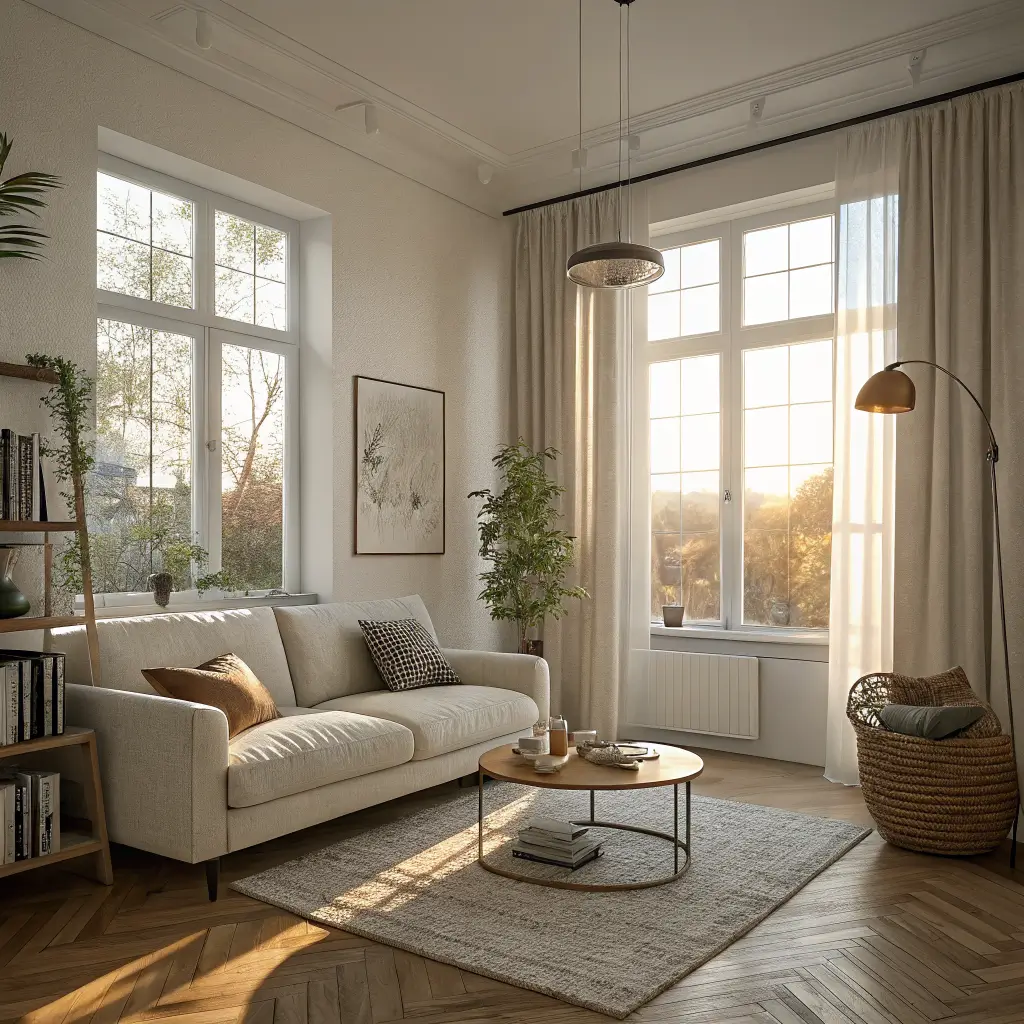
Who This Style Is For
This is a small-space modern mix — part minimal, part cozy, part Scandinavian-leaning — with room for one bolder move if you want it (a deep blue ceiling, a curved sofa, a mural behind the TV). It’s not one strict aesthetic. It’s a flexible approach built around
It works best in rooms roughly
If you’re a renter, a first-time owner, or someone whose living room doubles as a home office and a movie room, this is for you.
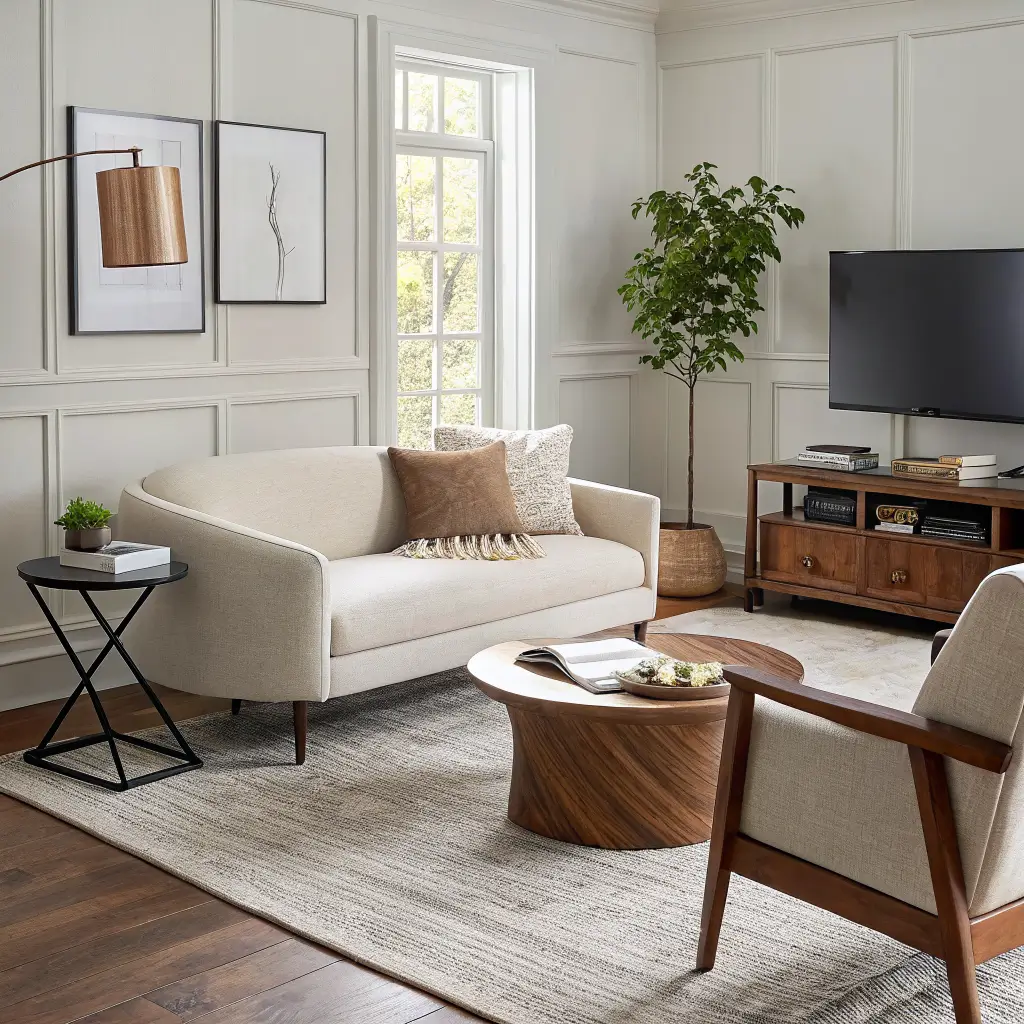
The Pieces That Make a Small Room Work
You don’t need a lot. You need the right ones.
–
–
–
–
–
–
–
–
–
How to Actually Put It Together
Start by measuring. Then measure again.
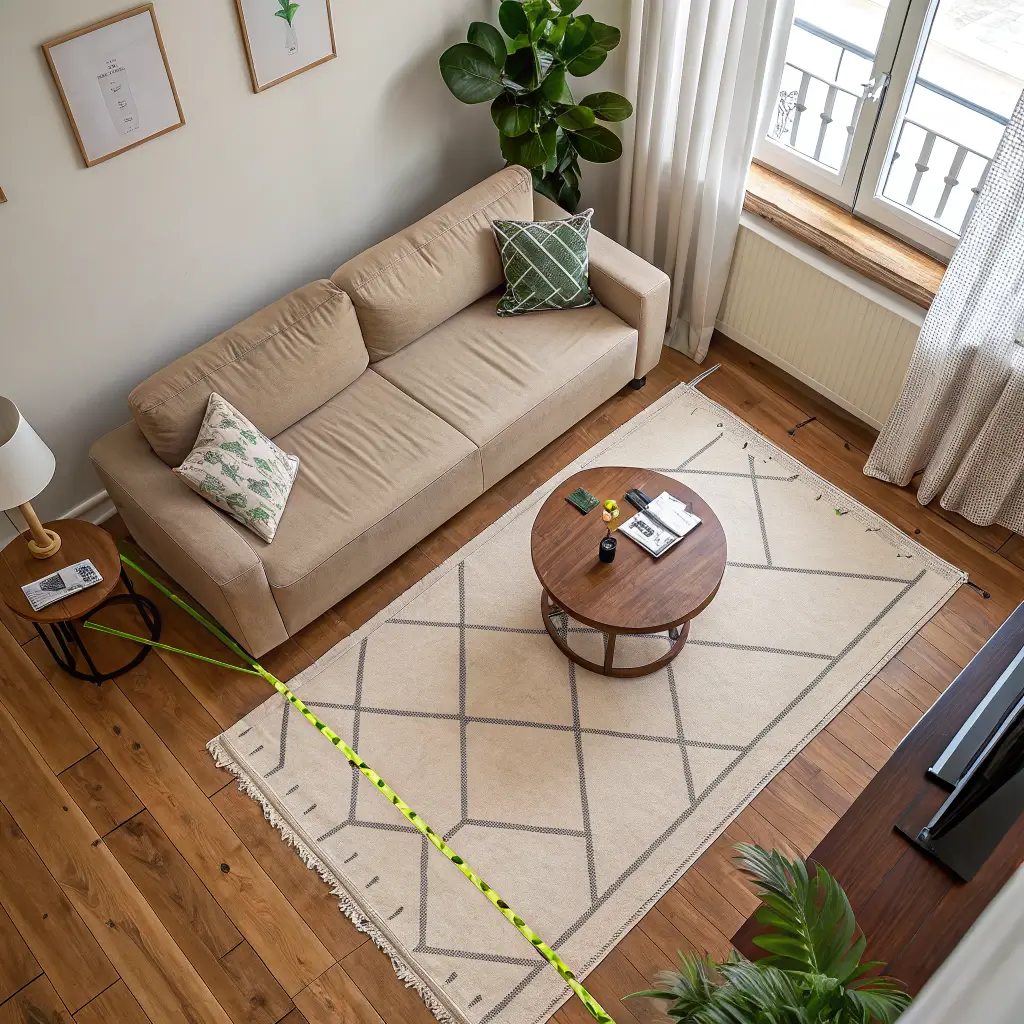
I bought a sofa once based on the showroom looking “about right.” It came home and blocked the radiator. Measure your room, mark the sofa footprint on the floor with painter’s tape, and walk around it. If you bump anything, scale down.
Pick the room’s job — and cap it at two or three
Lounging, TV, reading. Or entertaining, TV, working. Pick the priorities and stop trying to make the room do five things. Overprogrammed rooms always feel cluttered, no matter how well they’re styled.
Place the biggest piece first
The sofa or sectional goes in first, and everything else negotiates around it.
Build the seating zone
Sofa, rug, coffee table. That’s your anchor. Leave
Add the accent chair and one side table
One chair, angled toward the sofa. One lightweight side table — a slim drum table, a stone-look C-table, something with visible leg space. Bulky cube tables read heavy in a small room.
Go vertical
Shelves above the TV, art hung higher than feels natural, curtains mounted close to the ceiling instead of at the window frame. All of it tricks the eye upward and makes the ceiling feel taller.
Finish with soft layers, not more furniture
Throw, two cushions, a plant, a stack of books, one ceramic object. Stop there. The urge to keep adding is what kills small rooms.
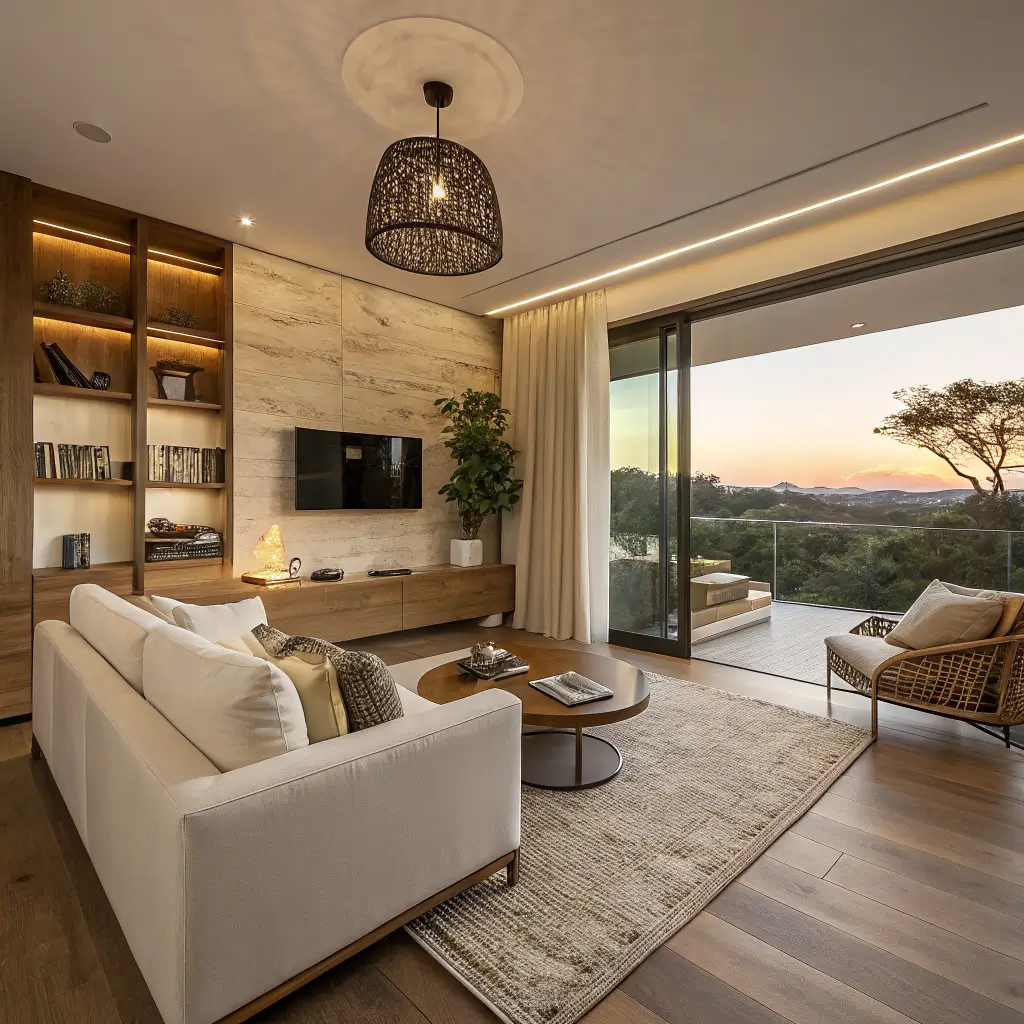
Color and Material Choices That Read Calm, Not Cramped
The palette I keep coming back to:
–
–
–
–
–
Color drenching — painting walls, trim, and ceiling the same shade — sounds counterintuitive for a small room, but it actually works. When there’s no contrast between trim and wall, the eye can’t measure where the room ends, and it reads bigger.
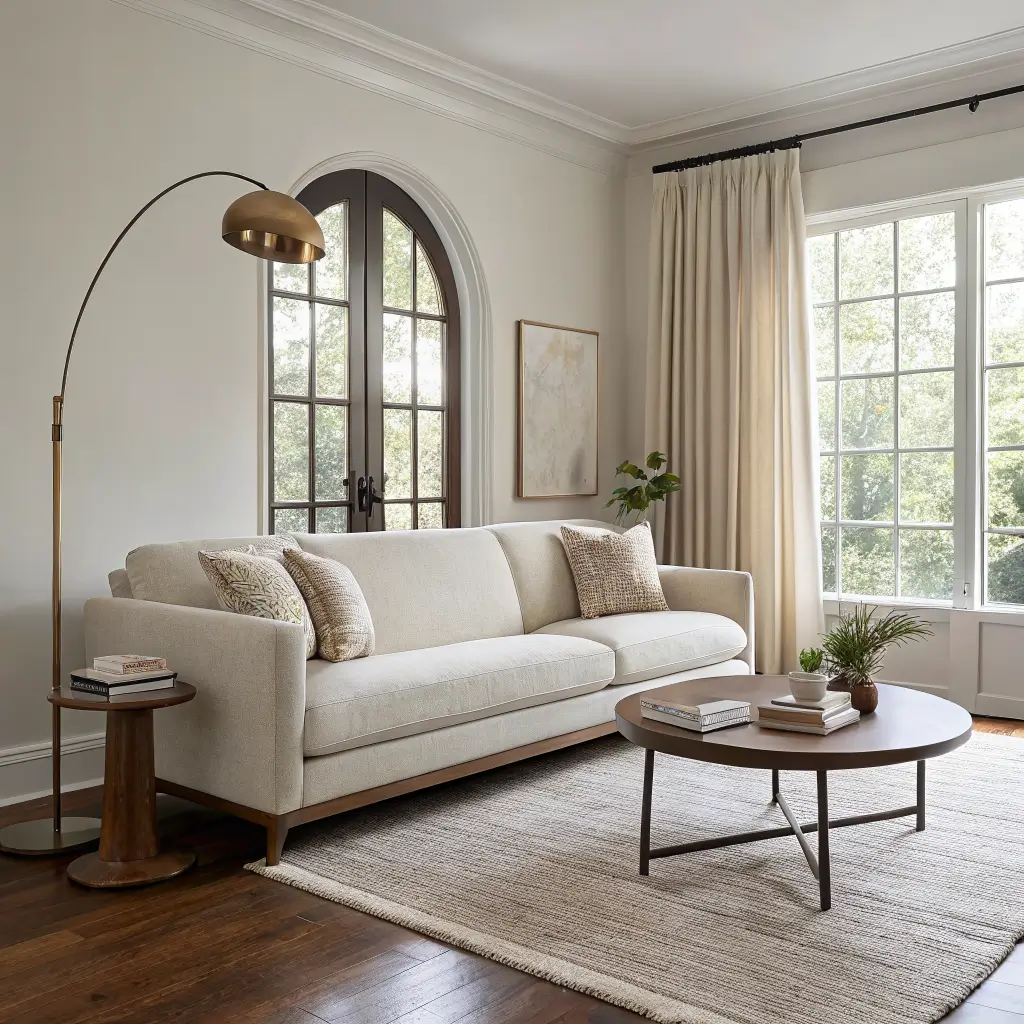
Where to Spend, Where to Save
– The sofa. You sit on it every day. A cheap sofa sags within a year.
– The rug, if you can. Wool wears better than synthetic and the right size matters more than the price.
– Lighting. Two or three lamps beat one overhead light every time.
– Side tables. IKEA’s
– The pouf.
– Art. Thrift shops, Etsy printables, framed fabric scraps. I have a $4 oil painting from a Goodwill in Pittsburgh that’s the best piece in my room.
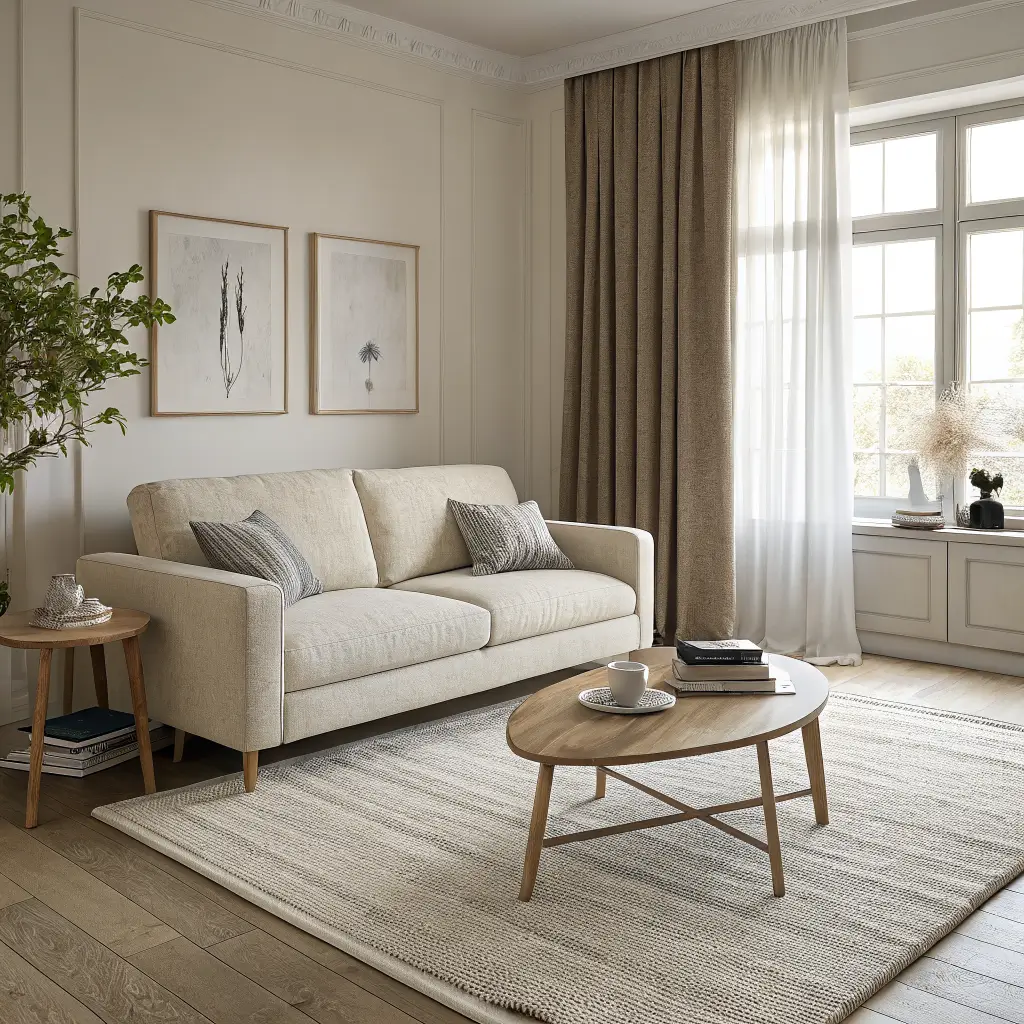
Common Mistakes I See (and Made Myself)
–
–
–
–
–
–
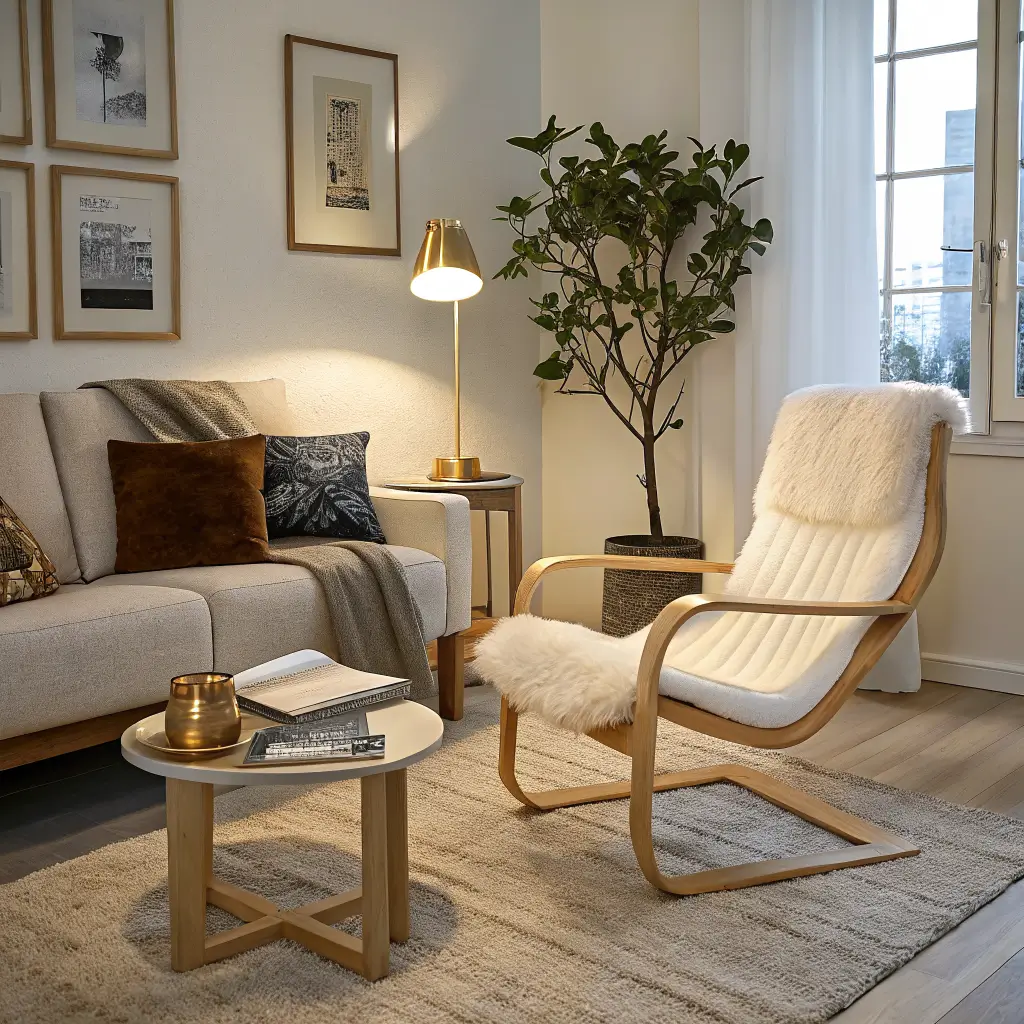
Easy Updates and Seasonal Swaps
The whole point of a neutral base is that you can shift the mood without buying new furniture.
–
–
–
A Few Quick Answers to Things People Always Ask
The version of my living room I have now is the fourth layout I tried. The first three felt off and I couldn’t tell you exactly why until I moved the sofa six inches off the back wall and swapped a rectangular coffee table for a round one. That was it. Same furniture, totally different room.
Small rooms reward patience and editing more than they reward shopping. Buy less, measure more, and let the room breathe.
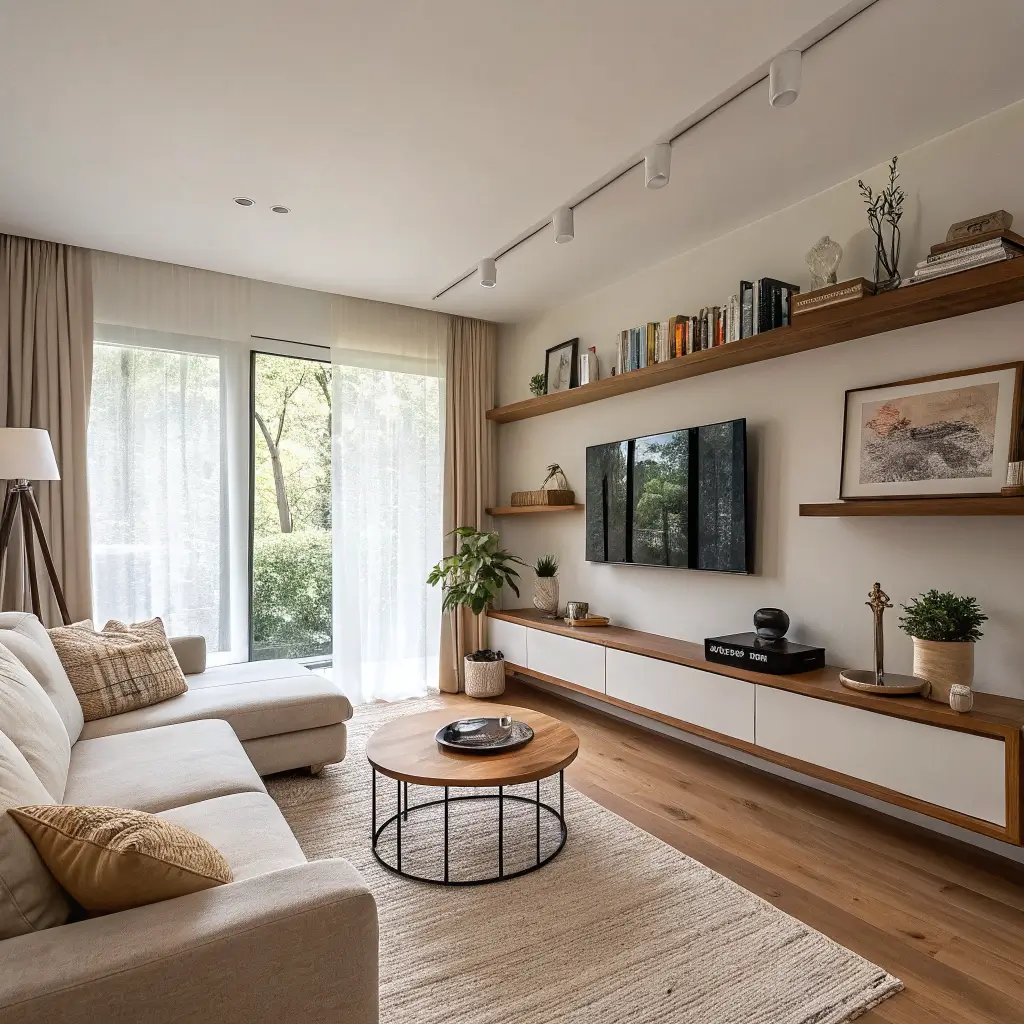
Conclusion
The little living room ideas that worked for me came from a tight footprint with a loveseat, a nesting table, and a single window. I had painted the walls white, added a large mirror that reflected the light, and hung a single piece of art above the sofa. The room felt like a conversation, not a performance, because I had chosen every piece to fit the space instead of fighting it.
More Decor Ideas to Explore
- Little Balcony Ideas That Actually Work When You Have 40 Square Feet to Play With
- Tiny Ensuite Ideas: How to Make a Micro Bathroom Actually Work (and Look Good)
- Little Bathroom Ideas That Actually Work: Smart, Stylish Updates for Tight Spaces
- Coastal Bedroom Decor: How to Get the Modern, Calm Version (Without the Seashell Clichés)