Transform your outdoor space into a sanctuary of imperfect beauty with these 29 inspiring wabi sabi garden ideas. Rooted in Japanese philosophy, wabi sabi embraces the natural aging process, asymmetry, and raw simplicity that make each garden uniquely peaceful. From moss-covered retreats to weathered stone paths, these designs celebrate nature’s authentic character rather than forcing perfection. Whether you’re drawn to wild meadows, textured havens, or whisper-quiet corners, discover how embracing imperfection can create the most serene and soulful garden spaces.
1. Rustic Tranquility Garden
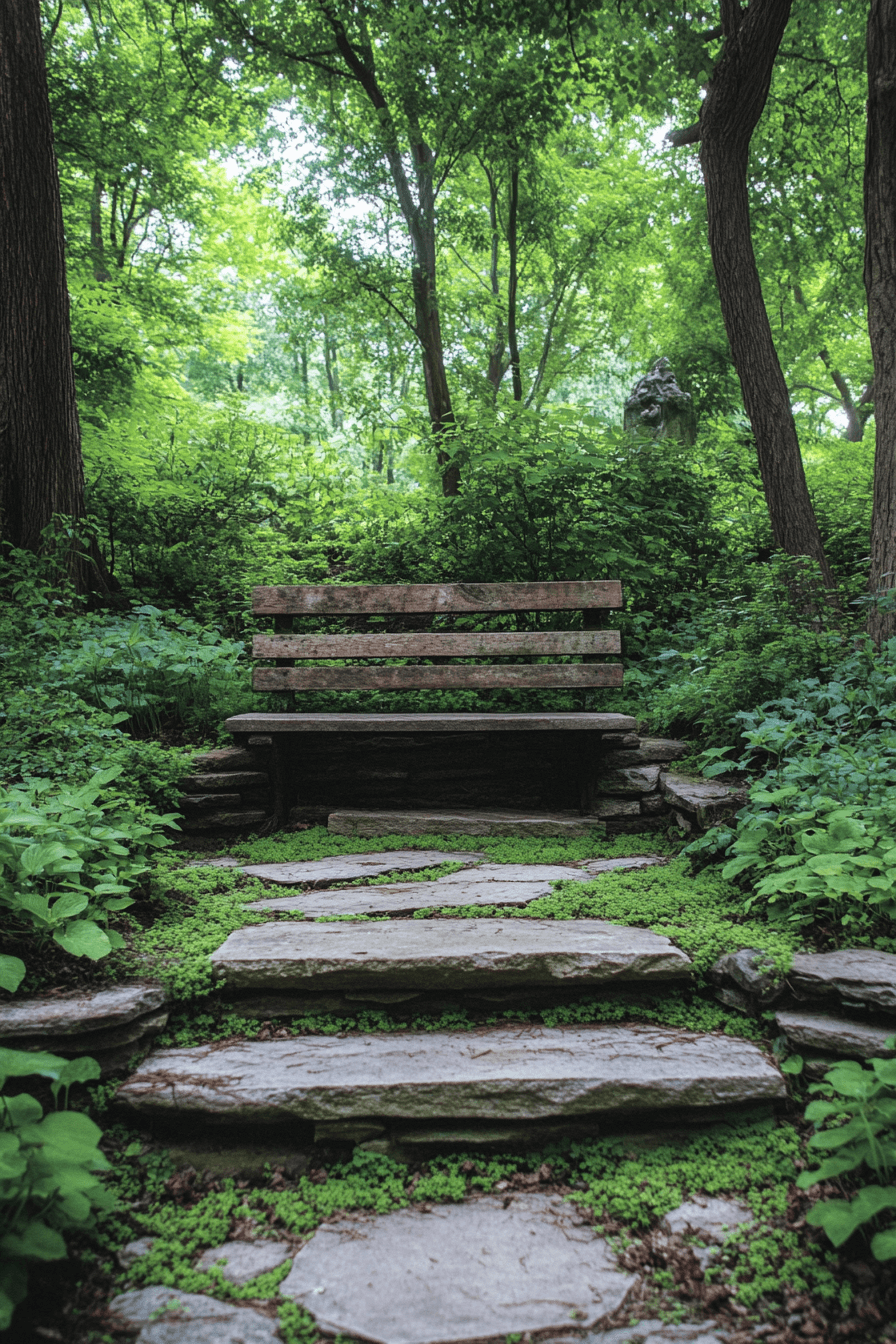
This wabi sabi garden radiates peace through its rustic textures and organic charm. Weathered stones, aged wood, and gentle greenery blend together in effortless harmony. Every imperfection becomes part of the beauty, telling stories of time and nature.
🎨 Steal This Look
- Paint Color: Sherwin-Williams Urbane Bronze SW 7048
- Furniture: Reclaimed wood benches, weathered timber plant stands, aged wrought iron garden chairs with natural patina
- Lighting: Soft solar stake lights or vintage Edison bulb string lights strung between aged wooden posts
- Materials: Weathered stone pavers, moss-covered rocks, aged cedar or reclaimed barn wood, natural jute and linen textiles
A rustic tranquility garden is about surrendering to impermanence and finding beauty in decay—it’s the antidote to perfectly manicured outdoor spaces. This approach transforms your garden into a meditative sanctuary where weathered stone and aged wood whisper stories instead of shouting for attention.
2. Moss-Covered Retreat
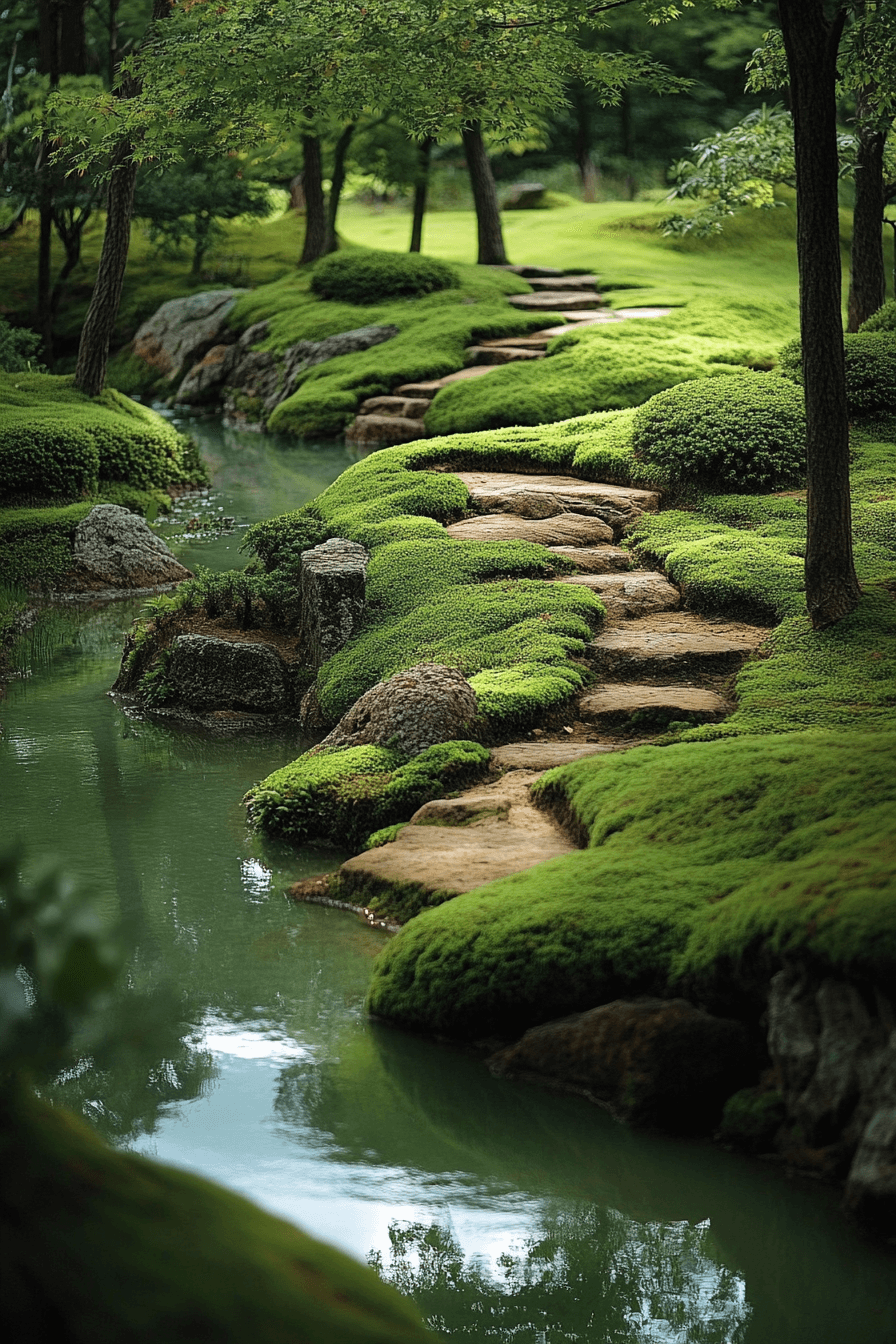
Soft moss blankets this wabi sabi garden in velvety greens that invite quiet reflection. Its rich texture brings life to stones, trees, and pathways, creating a soft sense of balance. Every surface feels alive with timeless energy.
💡 Steal This Look
- Paint Color: Benjamin Moore Healing Green HC-137
- Furniture: Low wooden benches with natural weathering; moss-covered stone seating; reclaimed wood platforms
- Lighting: Soft diffused natural light through canopy; minimal artificial lighting—consider low-voltage path lights nestled among plantings
- Materials: Living moss, weathered stone, aged wood, soft earth tones, natural fiber textiles
A moss-covered retreat captures the essence of wabi sabi—beauty in aging, stillness in growth. This is a space that rewards slow observation and accepts nature’s subtle hand in shaping every surface.
3. Perfectly Unfinished Haven
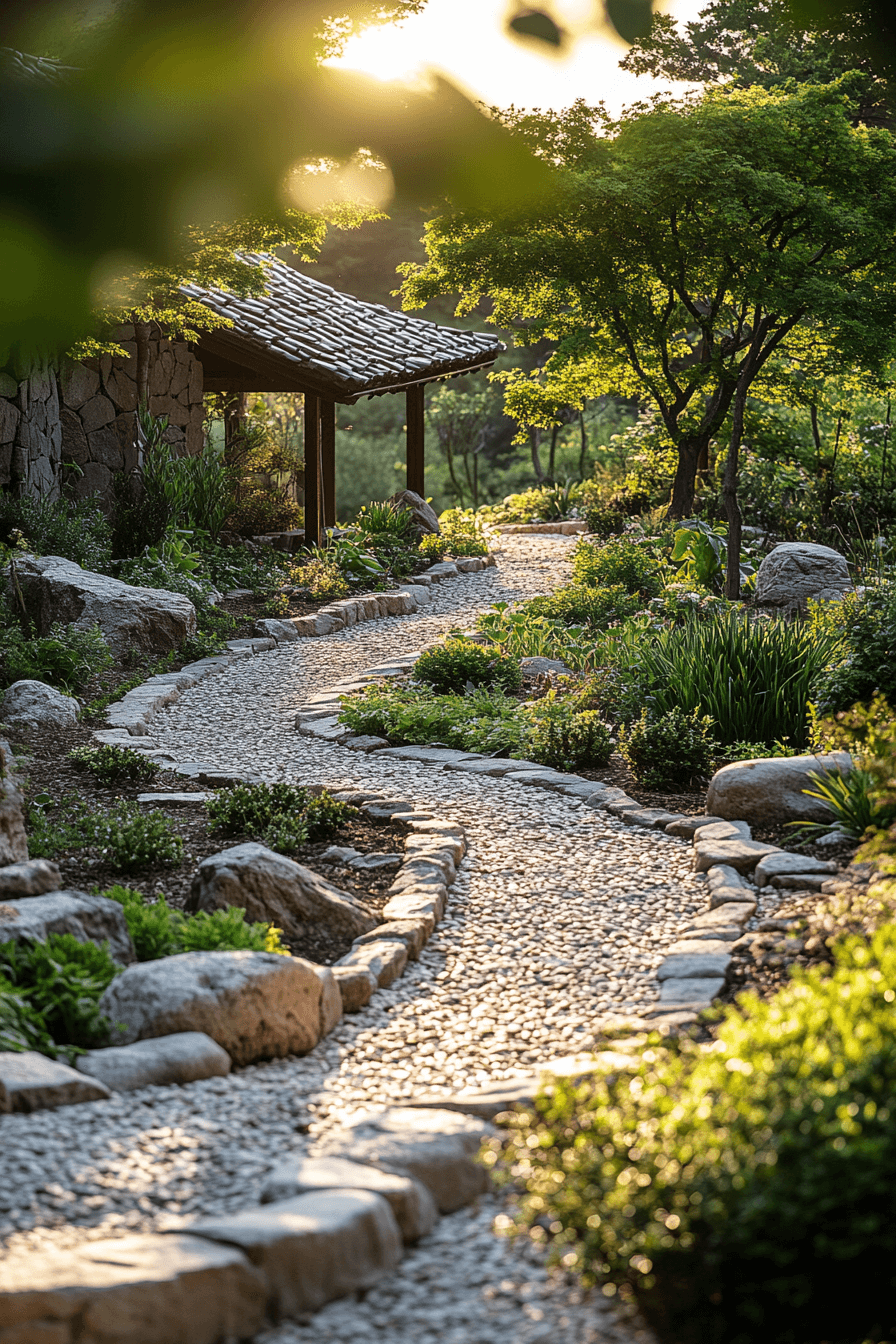
The beauty of this wabi sabi garden lies in its unfinished grace. Asymmetrical paths and naturally grown plants highlight freedom over formality. Every crack, curve, and color shift feels intentional and serene.
🎨 Steal This Look
- Paint Color: Farrow & Ball Calluna 270
- Furniture: Low wooden benches with natural weathering, asymmetrical stone or reclaimed wood seating
- Lighting: Soft lanterns with warm amber glow, positioned unevenly along pathways
- Materials: Weathered wood, natural stone, moss, gravel, unfinished concrete, living vines
This is where garden design becomes meditation. The cracks in stepping stones, the wild curve of an untended path, the subtle color shifts in weathered wood—these aren’t oversights; they’re the soul of the space.
4. Whimsical Garden Refuge
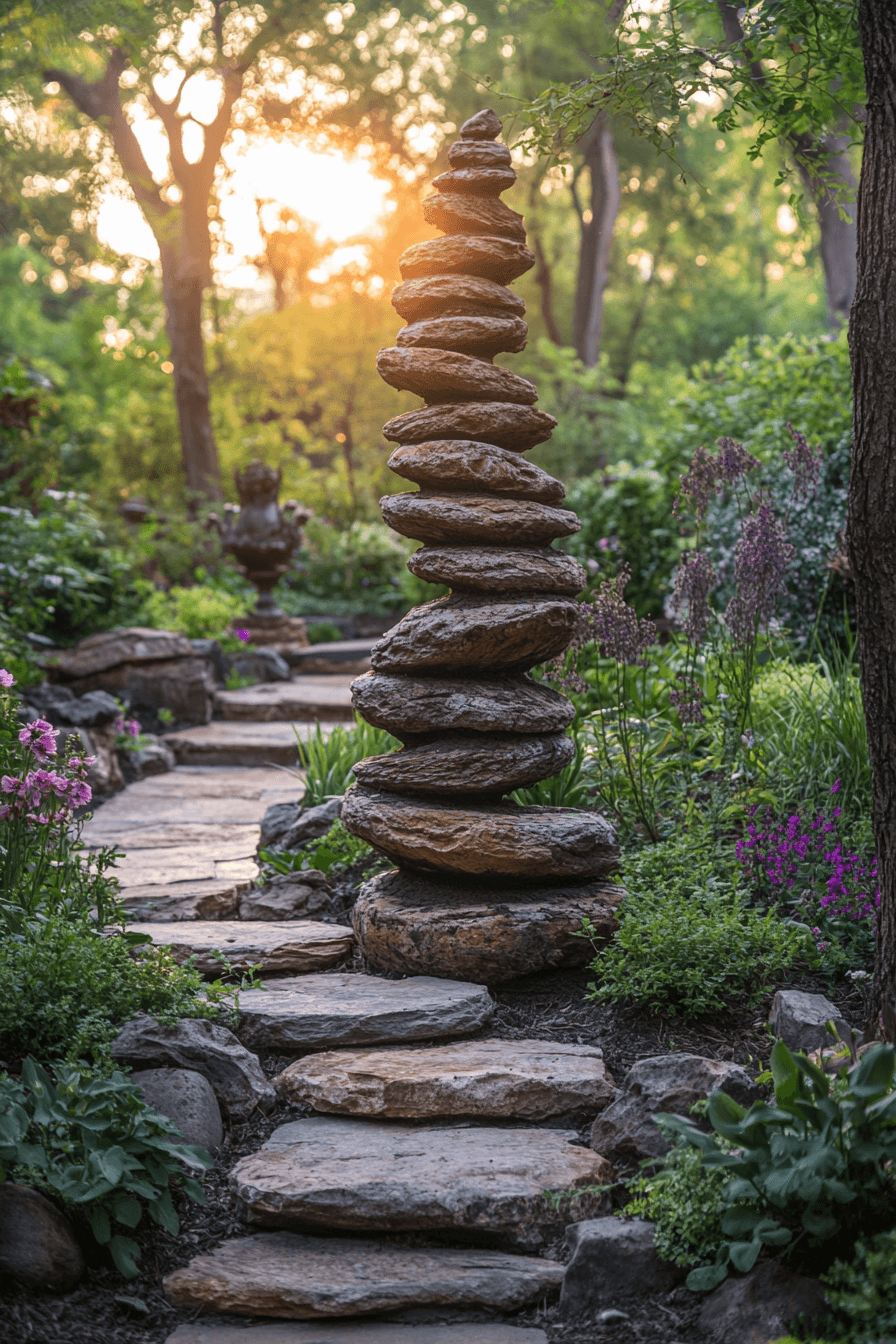
In this wabi sabi garden, wonder grows freely among weathered stones and wild vines. Handmade details and flowing water create playful, tranquil movement. Each feature feels spontaneous yet soulful.
★ Steal This Look
- Paint Color: Behr Dried Sage N380-3
- Furniture: Weathered wooden benches, reclaimed stone seating, rustic plant stands with natural patina
- Lighting: Soft solar pathway lights, lanterns with aged metal frames, dappled natural light through climbing vines
- Materials: Weathered stone, aged wood, moss-covered surfaces, natural clay vessels, living vines, water features
A whimsical garden refuge celebrates beautiful impermanence—moss-covered stones, gnarled branches, and unplanned plant combinations create a meditative space that feels like a secret discovered rather than a project completed.
5. Earthen Soul Haven
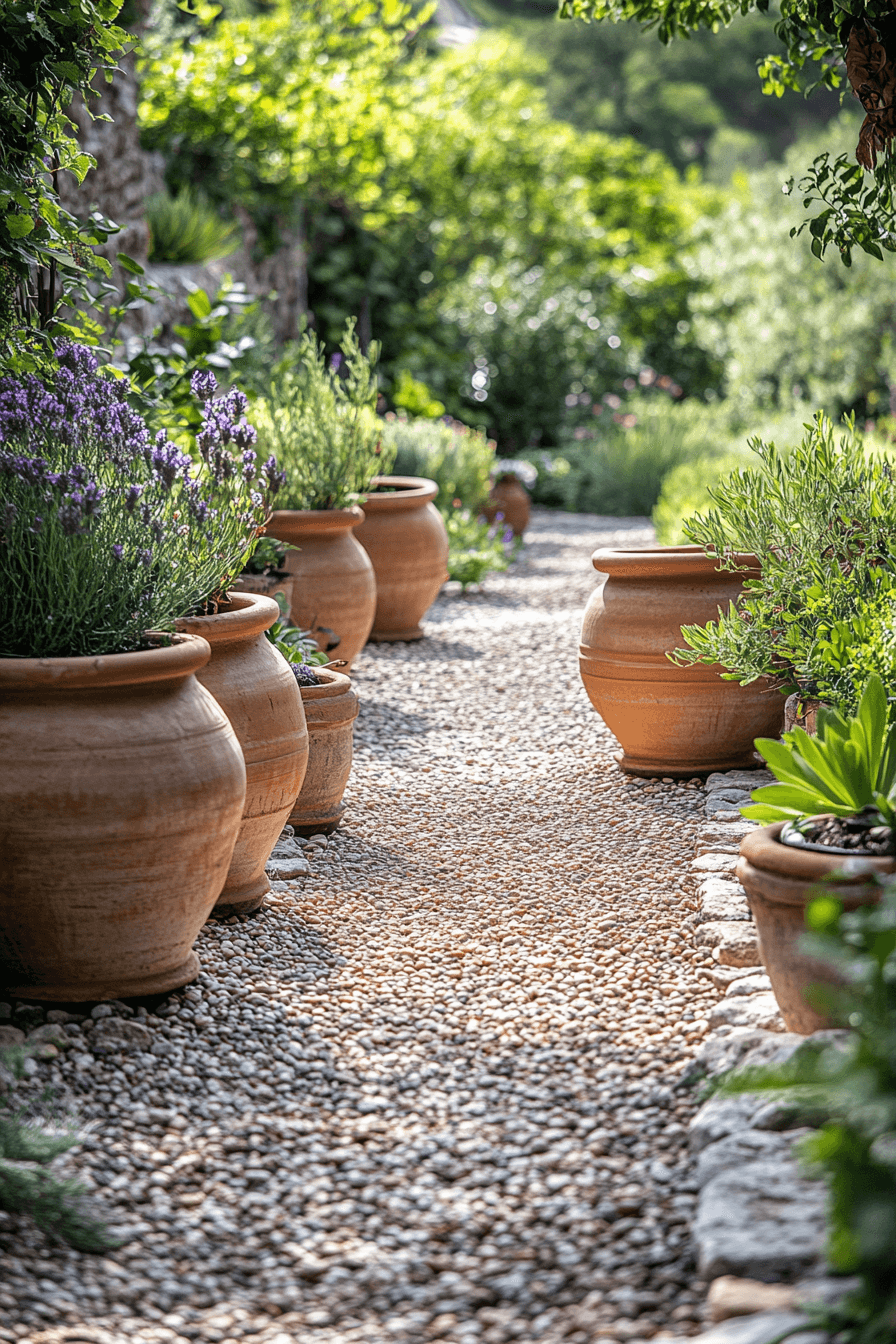
Rooted in natural tones, this wabi sabi garden celebrates the warmth of the earth. Clay pots, gravel paths, and rough-hewn benches invite you to slow down. Each texture tells a story of balance and time.
🎨 Steal This Look
- Paint Color: Valspar Dried Clay VLK01
- Furniture: Rough-hewn wooden garden benches, natural wood pergola or pavilion, low-slung seating with weathered frames
- Lighting: Soft warm path lighting or solar stake lights buried in gravel; lantern-style fixtures with warm amber glow
- Materials: Terracotta and clay pots, compacted gravel pathways, untreated wood, natural stone, weathered metal accents
This earthen sanctuary honors the beauty of impermanence and humble materials. It’s the antidote to polished perfection—a place where rough textures and natural aging are celebrated as marks of wisdom and time.
6. Weathered Woods Retreat
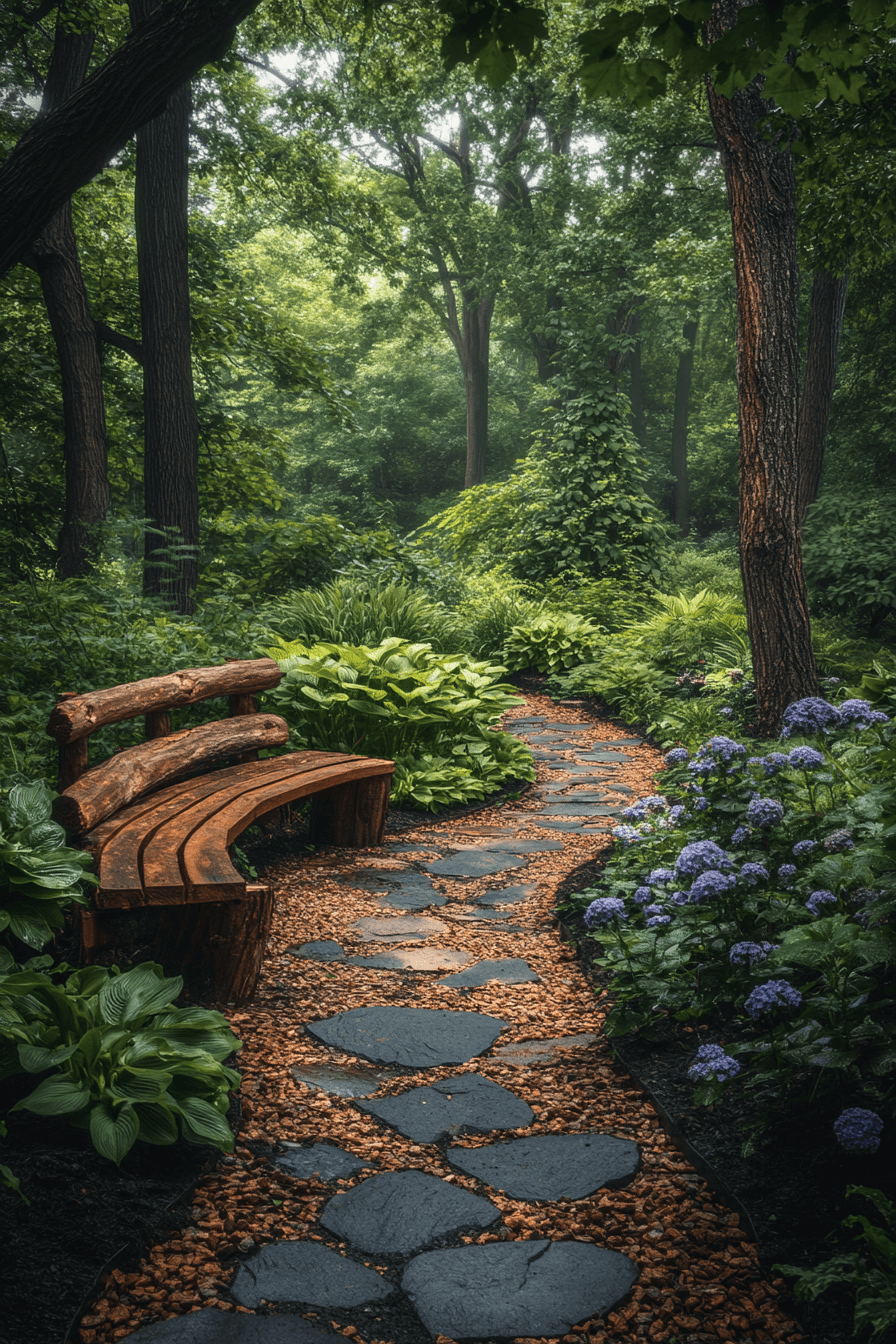
This wabi sabi garden captures the timeless spirit of the forest. Moss-covered stumps and fallen logs blend with living plants to create peaceful depth. Sunlight filters softly through the leaves, highlighting nature’s slow artistry.
🎨 Steal This Look
- Paint Color: PPG Balanced Beige PPG1087-2 – a warm, muted neutral that echoes weathered wood and forest floor tones
- Furniture: Reclaimed wood benches, live-edge wood seating, low wooden platforms, weathered timber tables with natural bark edges
- Lighting: Dappled natural light filtered through canopy; warm-toned lanterns (2700K) positioned low among plantings for soft evening glow
- Materials: Weathered wood (unstained, naturally aged), moss-covered stone, fallen logs, bare wood bark, weathered metal accents, natural soil
A wabi sabi garden celebrates what others might discard—the broken branch, the decomposing log, the creeping moss. It’s where impermanence becomes beauty, and sitting among weathered woods reminds us that nothing lasts, which makes right now sacred.
7. Asymmetrical Balance Garden
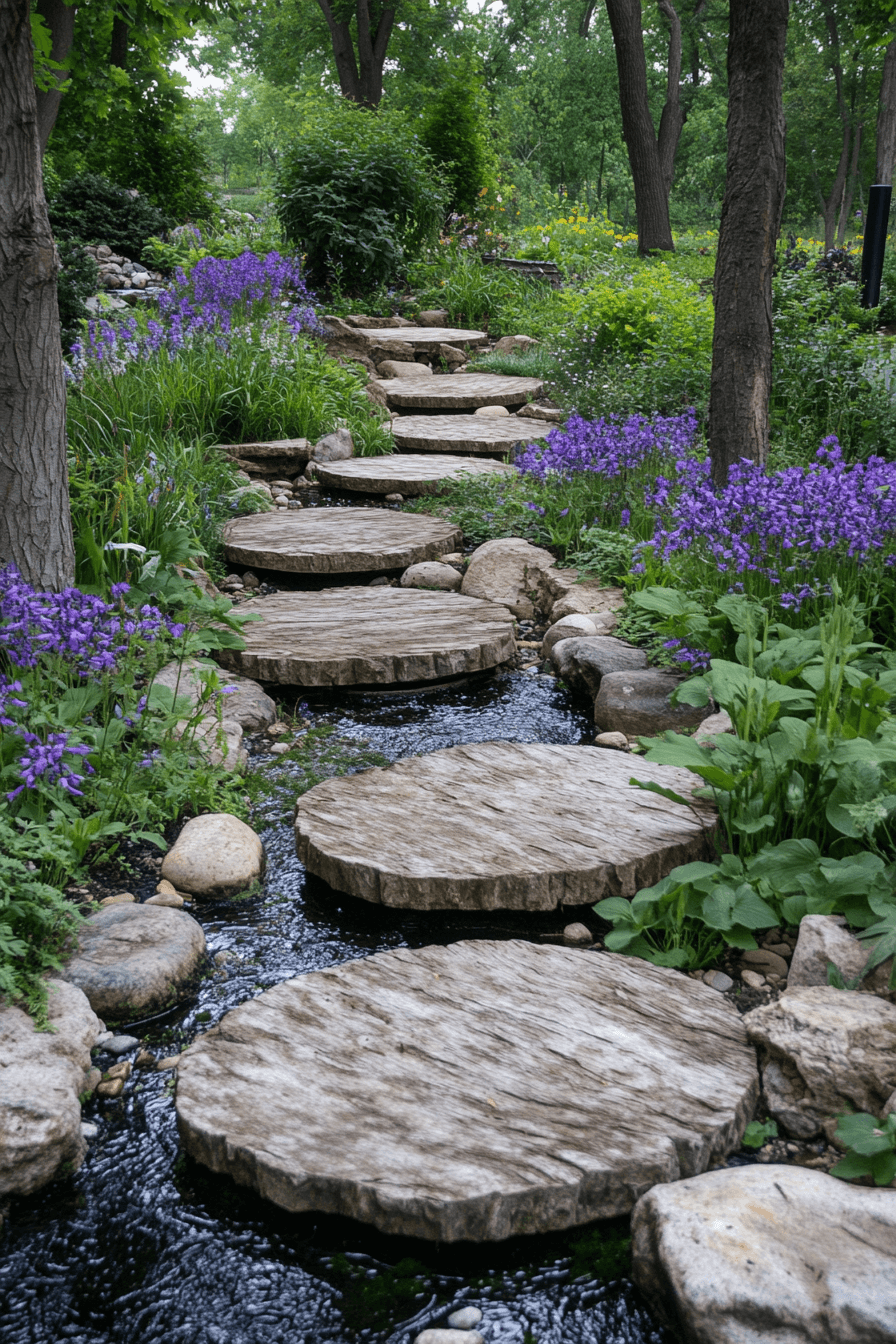
Freedom meets flow in this wabi sabi garden of graceful imbalance. Gently curving paths and uneven plant groupings create an effortless rhythm. The design celebrates movement and space rather than symmetry.
✎ Steal This Look
- Paint Color: Dunn-Edwards Accessible Beige DE6129
- Furniture: Low wooden benches or garden stools with organic, asymmetrical placement; weathered timber seating areas positioned along meandering paths
- Lighting: Soft pathway lights with warm 2700K LED bulbs; lanterns with diffused glow positioned irregularly among plantings
- Materials: Weathered wood, natural stone pavers, moss-covered elements, aged metal fixtures, raw concrete, gravel pathways
Asymmetrical gardens whisper rather than shout, inviting visitors to wander and discover quiet moments of beauty in unexpected places. This style celebrates the poetry of imbalance—where true harmony comes from embracing rather than correcting nature’s organic rhythms.
8. Textured Serenity Haven
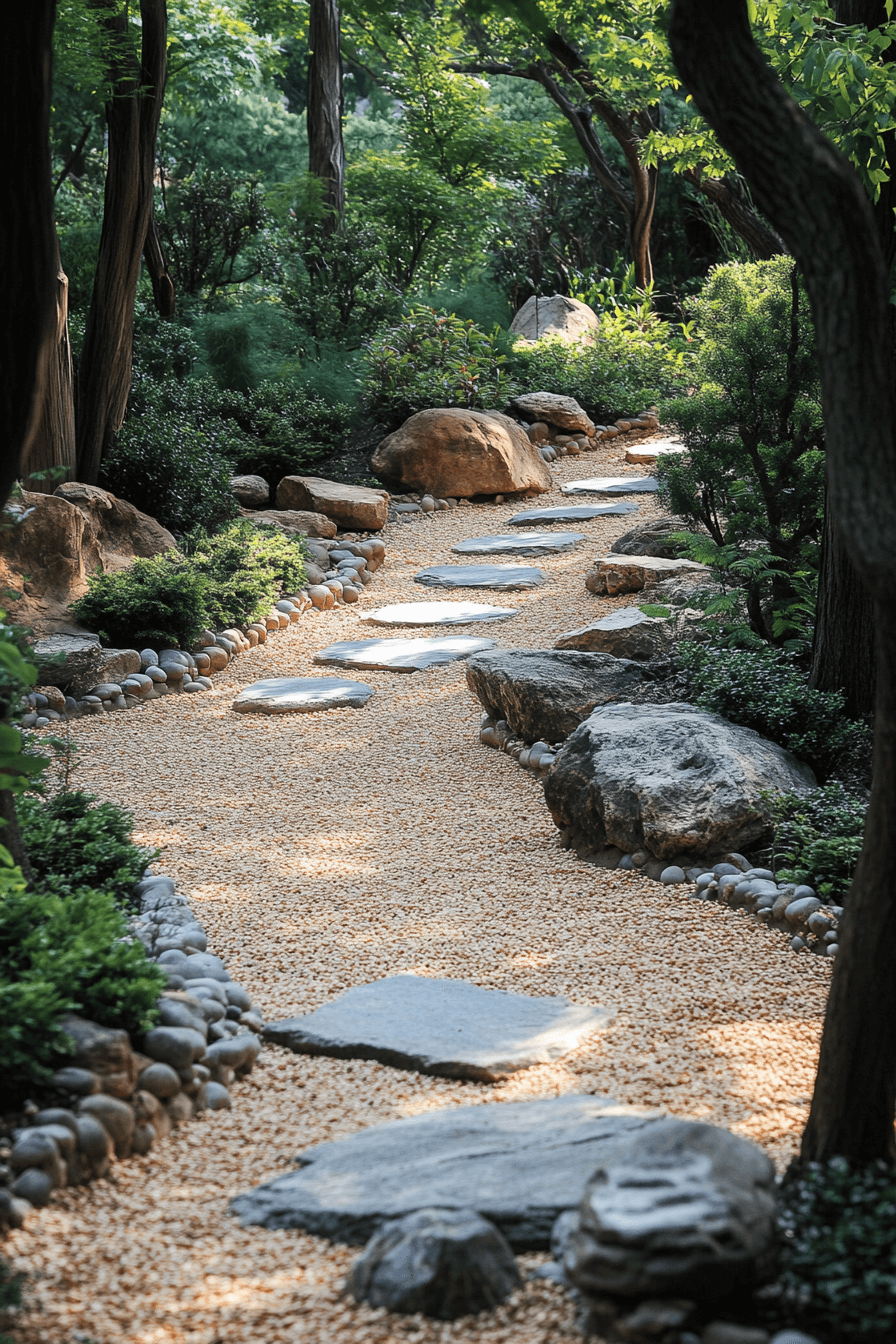
Texture defines this wabi sabi garden, where touch and sight create harmony. Rough bark, smooth stone, and delicate moss layer the space in natural rhythm. The contrast feels alive and deeply peaceful.
🖼 Steal This Look
- Paint Color: Clare Paint Greige CC45 – warm neutral with subtle gray undertone that complements natural textures
- Furniture: Low wooden garden bench with visible grain and weathered finish; stone or concrete garden stools; minimal seating that emphasizes natural materials
- Lighting: Soft ambient lighting through diffused lanterns or warm Edison bulbs nestled among plants; avoid harsh overhead fixtures
- Materials: Rough-hewn stone pathways, weathered wood surfaces, living moss patches, tactile bark mulch, smooth river rocks, aged concrete pavers
A textured wabi sabi garden invites you to slow down and engage all your senses—the rough bark against your palm, the cool smoothness of stone underfoot, the yielding softness of moss. This isn’t about perfection; it’s about honoring natural impermanence and the quiet beauty that emerges when you stop fighting nature and start celebrating it.
9. Stone Path Sanctuary
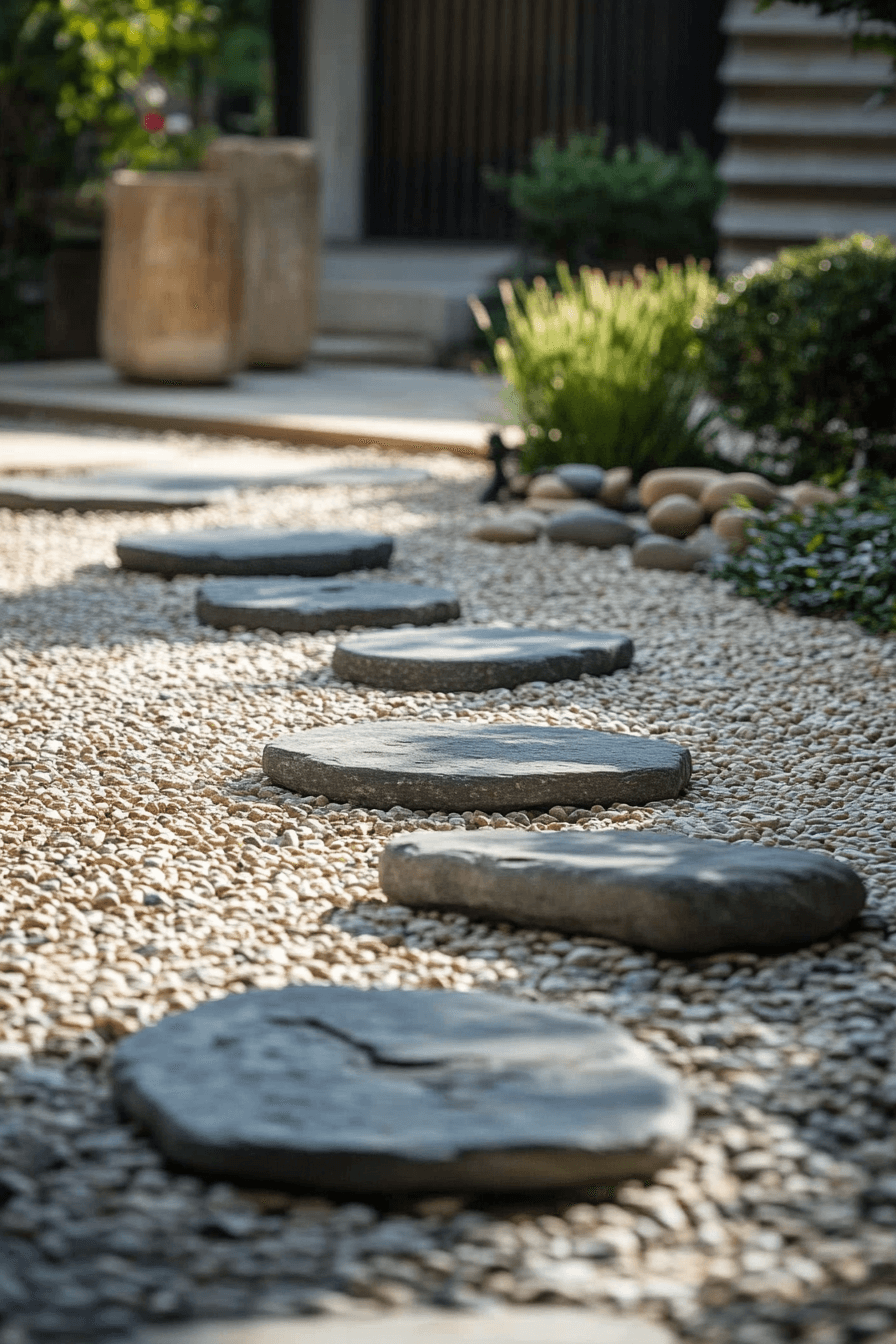
Solid and silent, stones become the storytellers in this wabi sabi garden. Large rocks anchor the design, while pebbled paths lead to moments of pause. The natural composition inspires calm and strength.
🎨 Steal This Look
- Paint Color: Fine Paints of Europe Concrete 15 (soft greige-gray mimicking natural stone tones)
- Furniture: Low wooden garden benches or stone seating; weathered timber pergola or covered shelter
- Lighting: Soft path lighting integrated into stone or gravel; lanterns with warm amber bulbs for evening ambiance
- Materials: River stones, pea gravel, weathered wood, natural slate, moss-covered surfaces, aged metal fixtures
A stone path sanctuary transforms your garden into a meditative retreat where every rock becomes a focal point and pause point. The quiet strength of natural stone speaks louder than any planted flourish.
10. Wild Harmony Refuge
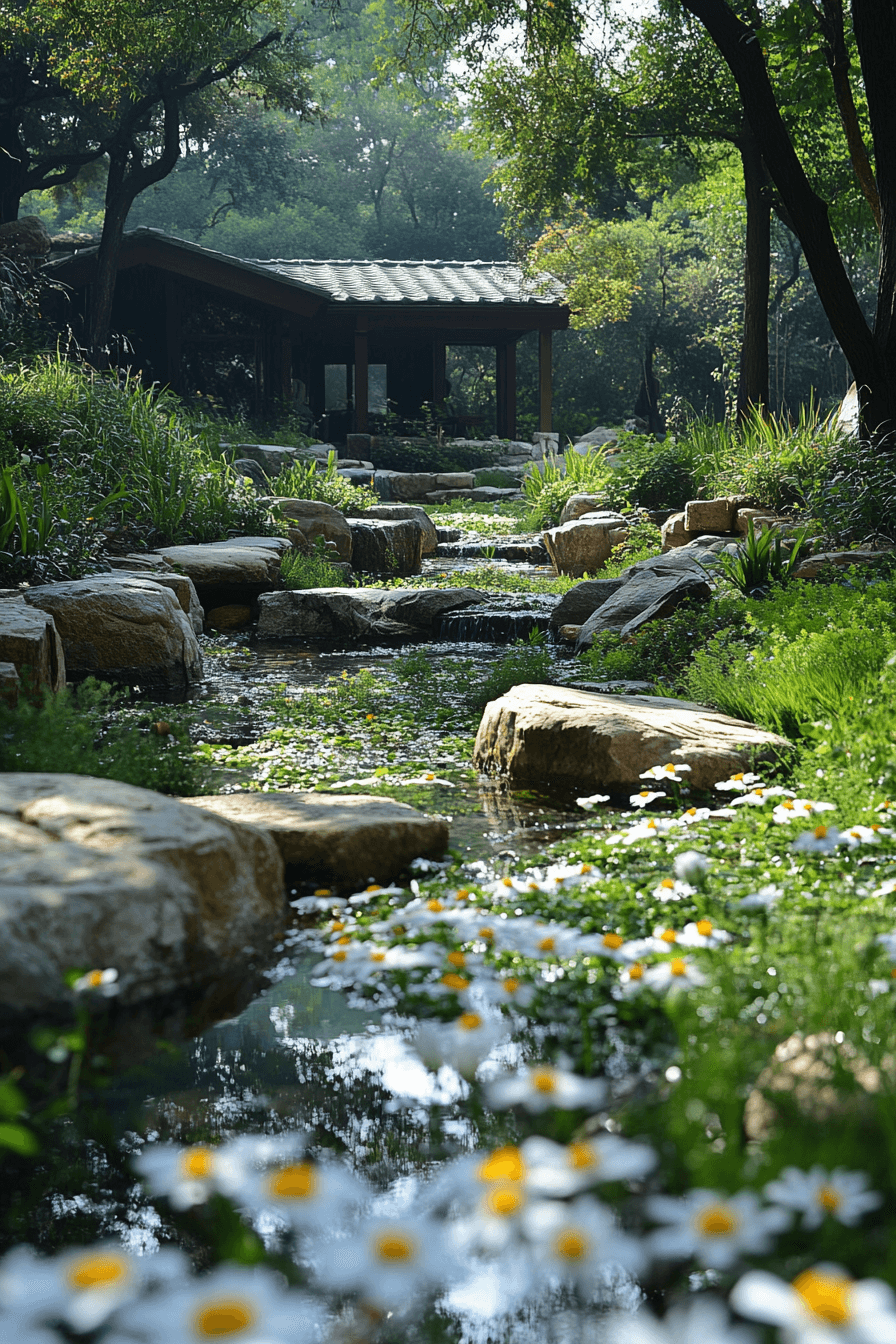
This wabi sabi garden thrives in wild abundance, where order meets freedom. Grasses sway, flowers bloom, and nature writes its own rhythm. Every season reshapes the scene into something new and alive.
🏠 Steal This Look
- Paint Color: Backdrop Soft Sage BC-71
- Furniture: weathered wooden garden benches, rustic metal plant stands, natural wood pergola or trellis
- Lighting: solar string lights woven through grasses, warm Edison bulbs in vintage lanterns, dappled natural light through canopy
- Materials: untreated wood, weathered metal, natural stone pathways, ornamental grasses, wildflower seeds, mulch, clay pots
This is the garden that feels alive because you’re collaborating with nature, not controlling it. Every season writes a new story in the same plot.
11. Quiet Meadow Retreat
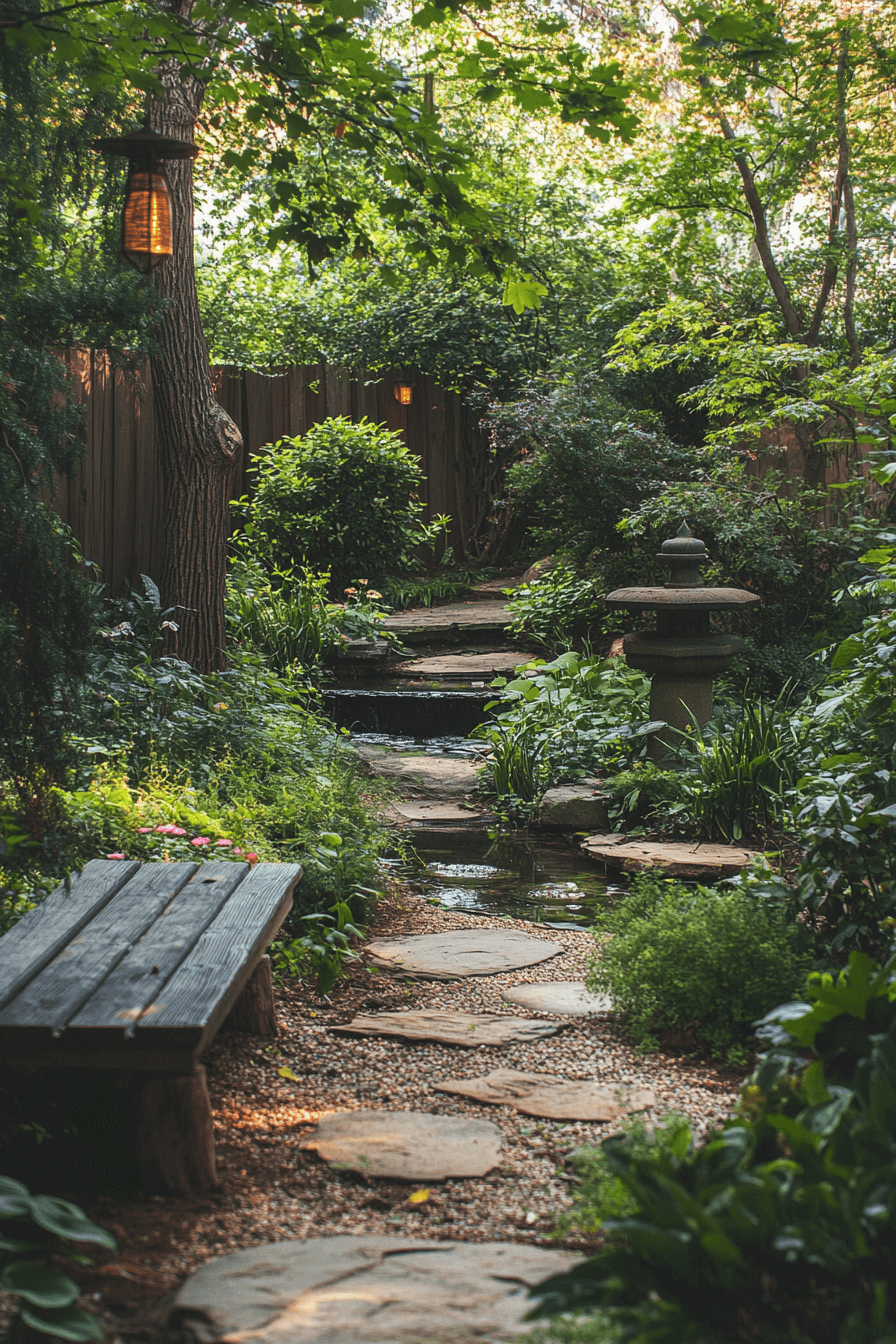
Soft breezes and muted tones define this wabi sabi garden meadow. Low grasses and simple wildflowers create a sense of gentle motion and light. Each view feels painted by the wind.
💡 Steal This Look
- Paint Color: Sherwin-Williams Accessible Beige SW 7036
- Furniture: Low wooden benches or ground-level seating with natural weathered finishes; simple wooden pavilion or shelter with minimal ornamentation
- Lighting: Soft, diffused natural light; consider warm Edison bulb string lights for evening ambiance strung low through the space
- Materials: Weathered wood, natural stone or gravel pathways, dried grasses, untreated wood fencing, linen or raw cotton textiles
A quiet meadow retreat celebrates impermanence and gentle decay—the way wind bends grasses differently each day, how wildflowers fade naturally. This is a space for sitting, breathing, and watching light move across muted landscape.
12. Organic Flow Retreat
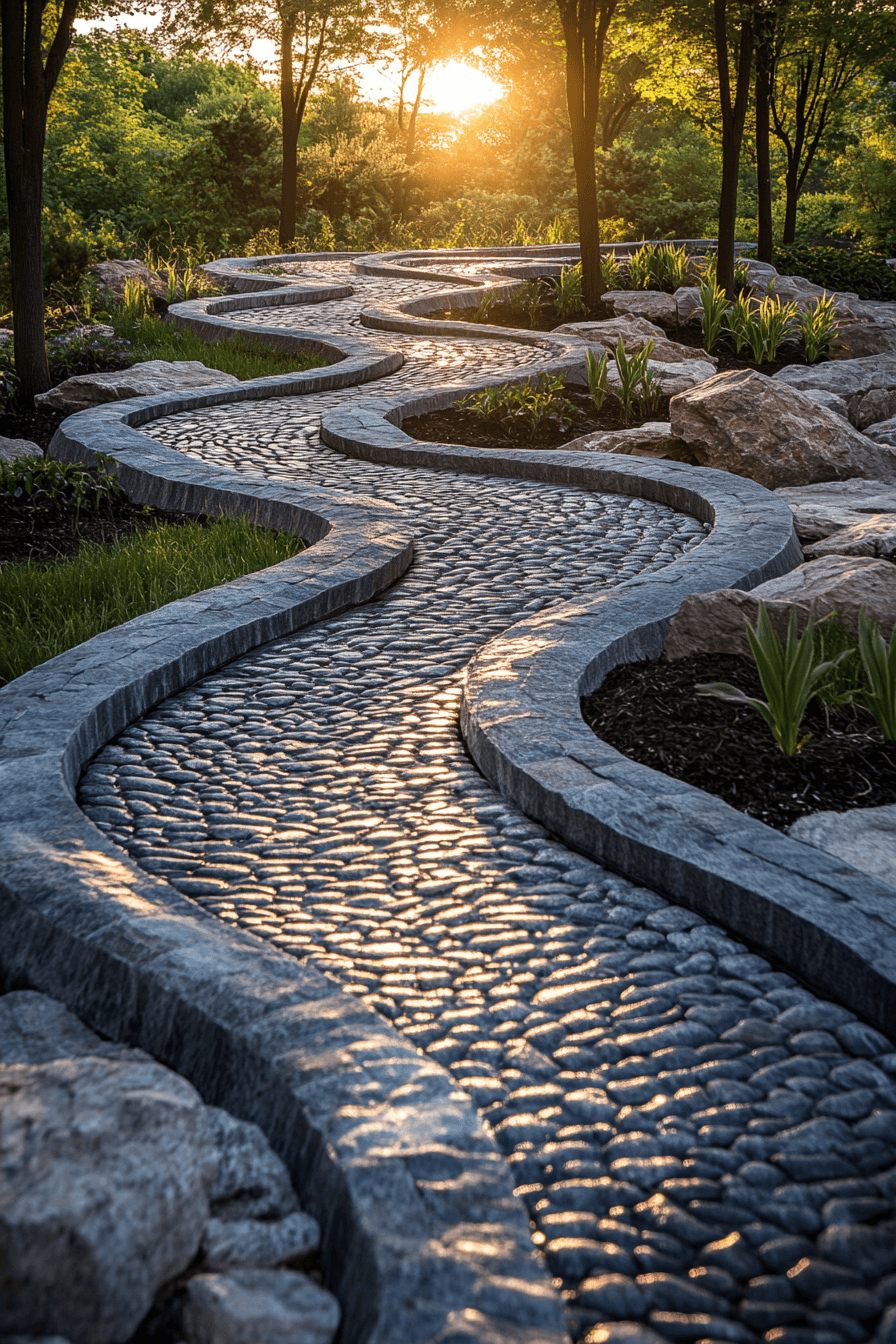
Graceful curves and natural transitions make this wabi sabi garden a moving work of art. Plants grow in harmony with the land’s shape, never forced or confined. The result feels balanced, free, and intentional.
★ Steal This Look
- Paint Color: Benjamin Moore Hale Navy HC-143
- Furniture: Low-profile wooden benches with natural finish, curved garden seating made from aged teak or reclaimed wood
- Lighting: Soft pathway uplighting with warm 2700K LED stakes, lanterns with natural paper or rice paper screens
- Materials: Weathered wood, moss-covered stone, gravel, natural fiber textiles, aged copper accents
An organic flow retreat celebrates the garden as a living, breathing entity rather than a controlled space. This approach invites contemplation and rest, making your outdoor sanctuary feel like an extension of nature itself.
13. Zen Stone Passage
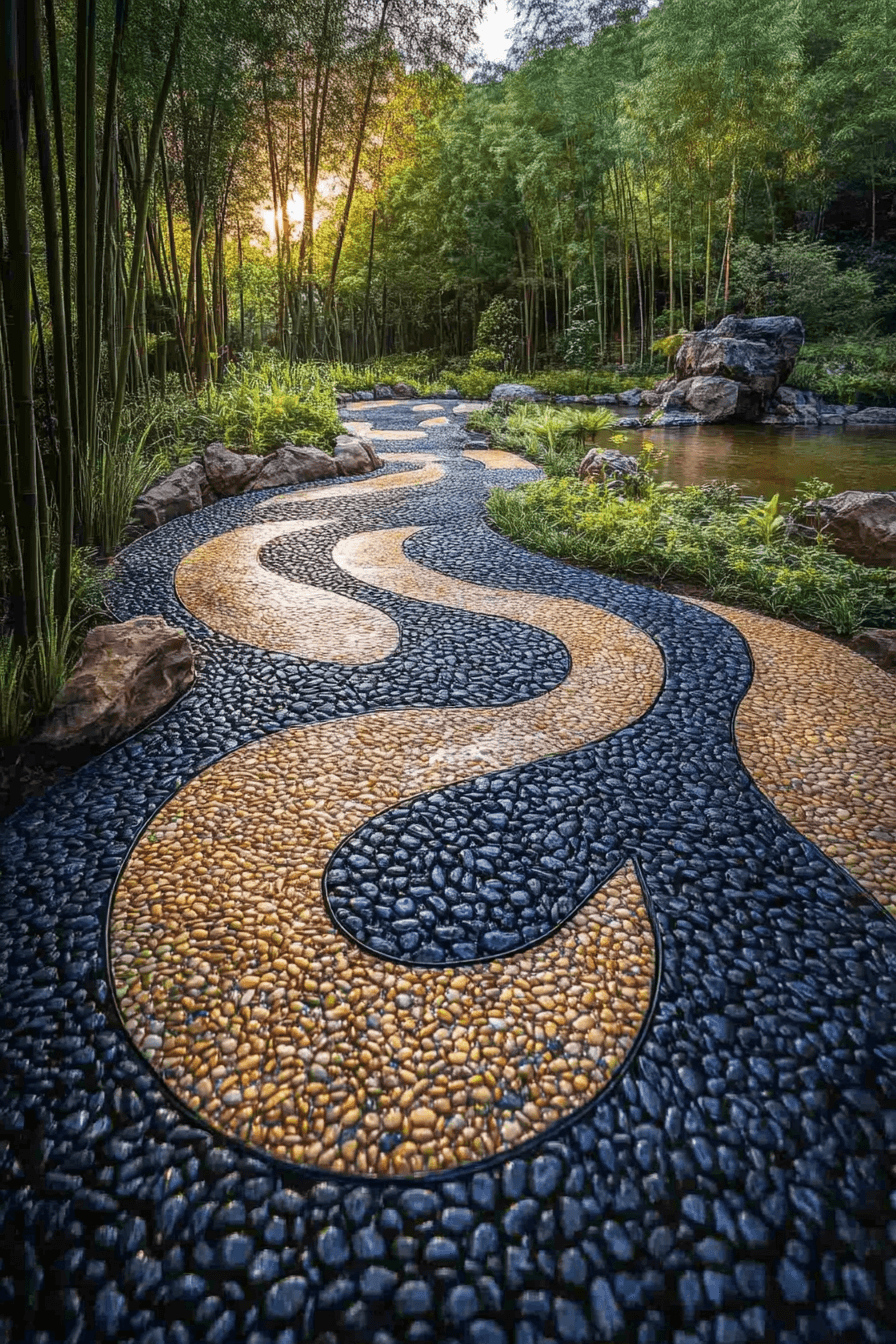
Every step through this wabi sabi garden invites mindfulness and stillness. Pebbled paths and smooth stones create grounding texture underfoot. The sound of each step becomes its own meditation.
🖼 Steal This Look
- Paint Color: Farrow & Ball Pavilion Gray 242
- Furniture: Low wooden benches or stone seating; minimalist wooden pergola or shelter
- Lighting: Soft ambient pathway lights recessed low to ground; warm 2700K LED lanterns
- Materials: Natural stone pavers, pea gravel, smooth river rocks, untreated wood, moss accents
A zen stone passage transforms your garden into a walking meditation. Each footfall becomes part of the experience, inviting you to slow down and notice the subtle beauty in imperfect natural materials.
14. Raw Nature Sanctuary
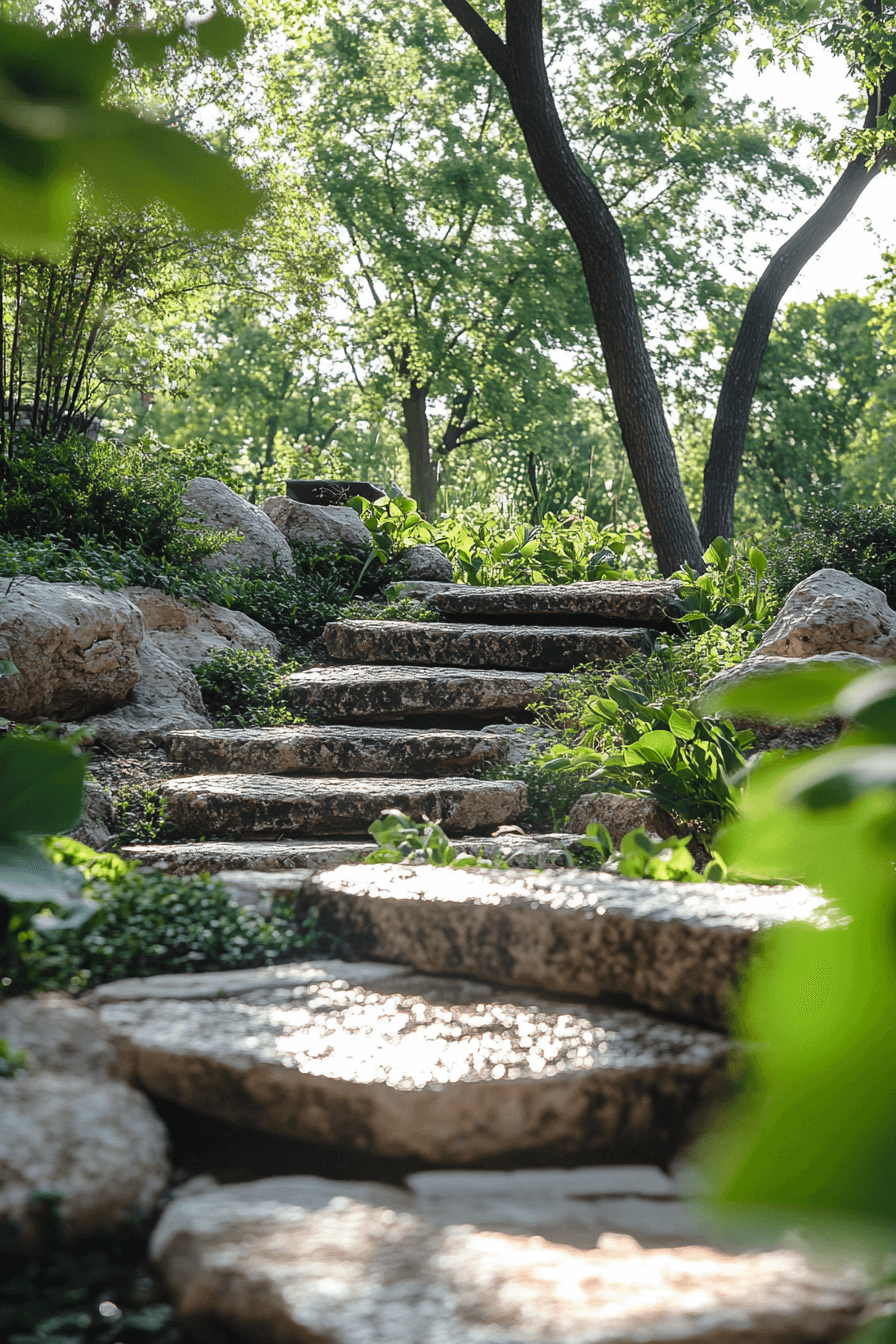
Untamed and pure, this wabi sabi garden celebrates raw, untouched elegance. Aged stones and native plants work in harmony to create effortless beauty. Nothing feels polished—only purposeful.
🖼 Steal This Look
- Paint Color: Behr Ultimate Plus Interior Satin in Behr N520-2 (Dried Sage) – a muted, earthy green that evokes natural landscapes and wabi sabi philosophy
- Furniture: Reclaimed wood benches, weathered stone seating areas, untreated cedar or oak garden structures that age naturally with patina
- Lighting: Soft solar stake lights or vintage Edison bulb string lights strung organically between structures – no harsh artificial illumination
- Materials: Raw stone (granite, basalt), weathered wood, native soil, moss, lichen, unpaved gravel pathways, untreated metals that develop rust patina
This is the garden for those who find beauty in imperfection—where a cracked stone becomes character and moss growth is a feature, not a flaw. It’s the most honest approach to outdoor spaces.
15. Fluid Nature Garden
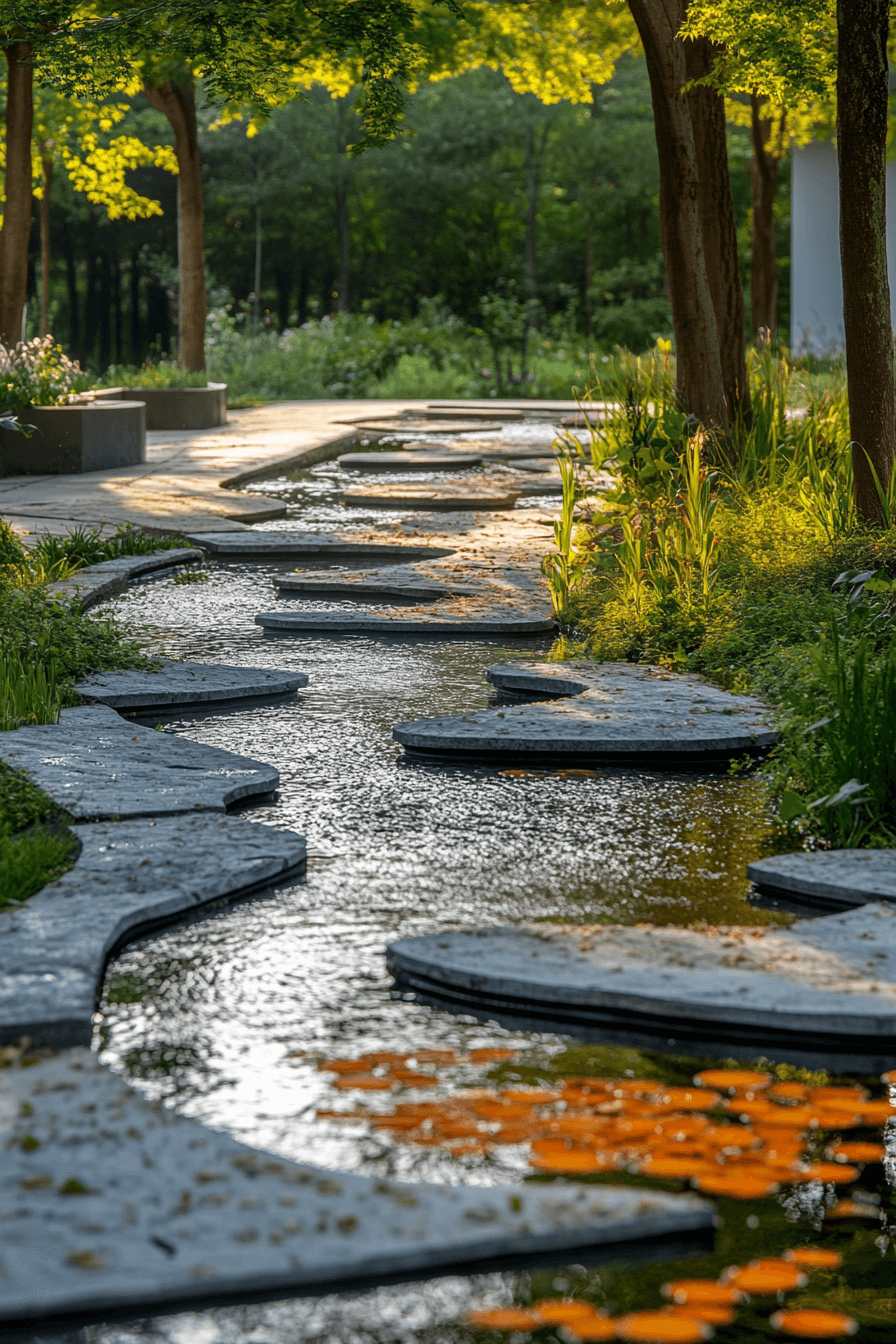
Movement defines this wabi sabi garden shaped by wind, water, and time. Rounded stones, curved paths, and gentle streams create flow from every angle. The energy feels balanced yet alive.
🌟 Steal This Look
- Paint Color: Valspar Granite Dust 7018 – a soft greige-gray that mirrors weathered stone and allows natural garden views to dominate
- Furniture: Curved wooden benches with natural finishes; low-profile seating that doesn’t interrupt sightlines; driftwood or river-rock side tables
- Lighting: Soft pathway uplighting (warm 2700K) tucked near ground level to illuminate rounded stones and water features without harsh shadows
- Materials: Smooth river rocks, weathered wood, soft moss, gravel pathways, water-worn pebbles, natural slate – all emphasizing organic curves and fluid textures
Fluid nature gardens capture the poetry of impermanence—stones worn smooth by centuries of water, paths that curve like rivers. This is where stillness meets gentle movement, inviting contemplation without demanding it.
16. Aged Patio Refuge
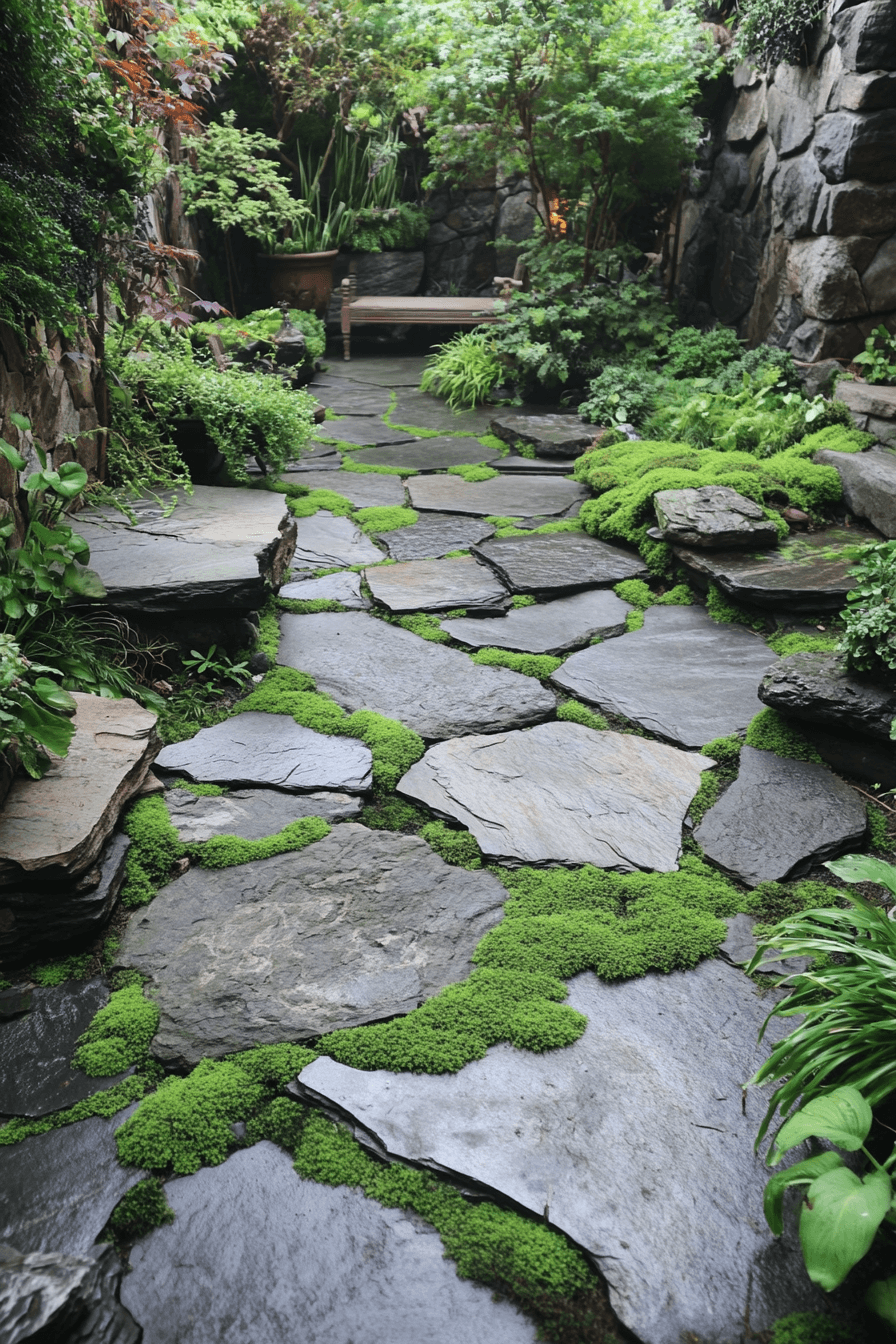
Time becomes art in this wabi sabi garden patio. Weathered tiles, mossy joints, and faded pots add layers of history and charm. The imperfections tell a quiet story of endurance.
🌟 Steal This Look
- Paint Color: PPG Accessible Beige PPG1087-3 – a warm, muted neutral that complements aged patina and weathered materials
- Furniture: Low-slung wooden benches or reclaimed wood seating with visible grain and natural weathering; ceramic garden stools with crackled glazes
- Lighting: Soft string lights or vintage-style lanterns that cast warm, diffused light across aged surfaces without harsh shadows
- Materials: Weathered terracotta, aged limestone or slate tiles with moss growth, reclaimed wood, patinated metal accents, unglazed ceramics
This patio celebrates time as a design element rather than something to fight against. Every crack, discoloration, and soft moss patch is proof of a space that’s been loved and lived in.
17. Natural Patina Haven
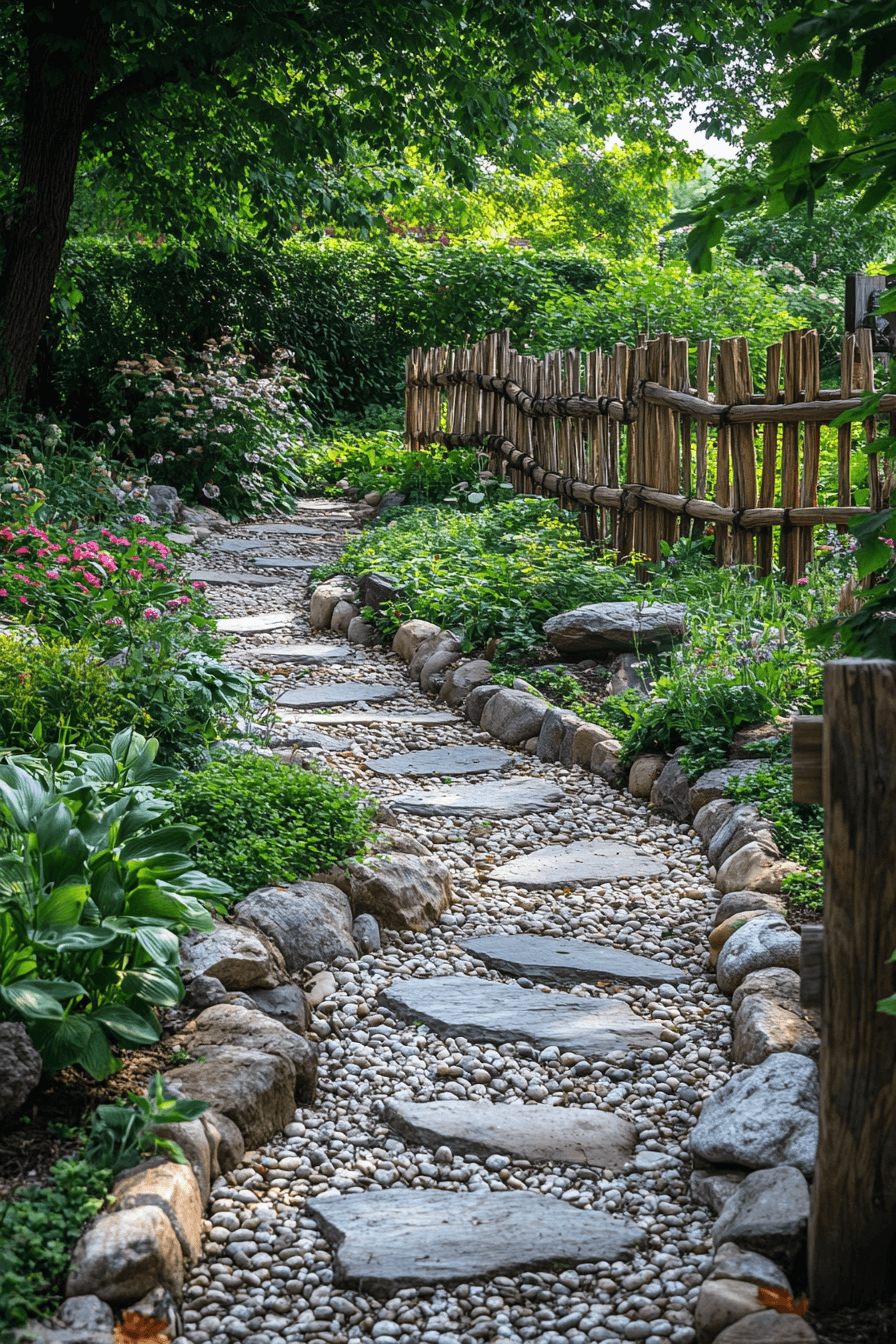
This wabi sabi garden reveals beauty through time’s gentle touch. Worn textures and soft rust tones blend into the earth with poetic ease. It’s proof that aging brings warmth and depth.
🖼 Steal This Look
- Paint Color: Dunn-Edwards Accessible Beige DE6165
- Furniture: Weathered wood garden benches, aged metal plant stands, reclaimed timber raised beds
- Lighting: Soft vintage string lights or lanterns with warm amber glow
- Materials: Oxidized copper, weathered steel, aged terracotta, moss-covered stone, raw wood
Wabi sabi gardens celebrate the beauty of time’s passage—rust stains, weathered wood grain, and soft erosion become design features rather than flaws. This space rewards patience and accepts impermanence as part of its soul.
18. Sculpted by Nature Garden
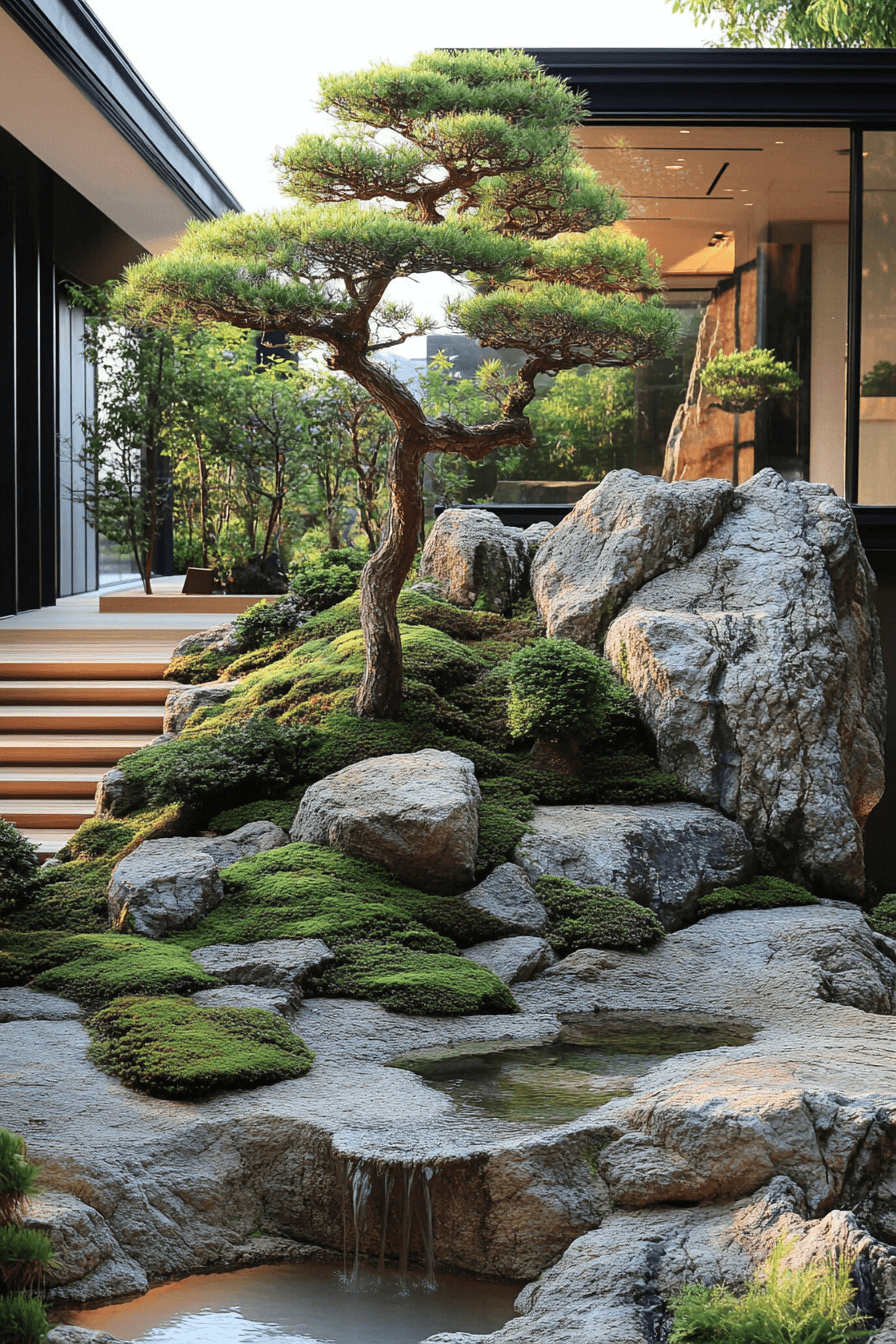
In this wabi sabi garden, wind and weather shape the story. Branches twist, stones smooth, and sunlight paints new patterns each day. The result is living art born from patience.
🎨 Steal This Look
- Paint Color: Clare Paint Greige CODE – a warm, neutral grey-green that echoes weathered stone and aged wood
- Furniture: Low wooden benches with natural grain visible, unfinished or lightly oiled; stone or slate seating elements; reclaimed wood plant stands with organic, asymmetrical forms
- Lighting: Soft diffused natural light through dappled tree canopy; minimal artificial lighting—perhaps solar ground lights or soft amber path lighting to preserve the quiet, natural aesthetic at dusk
- Materials: Weathered wood, rough-hewn stone, moss-covered surfaces, aged metal accents, natural bark, unrefined concrete, clay, and living plant matter
A wabi sabi garden celebrates the quiet poetry of aging and change, where every crack in stone and gnarled branch tells a story of seasons passing. This is a space for patience—where you watch the garden evolve rather than control it.
19. Wind Whisper Haven
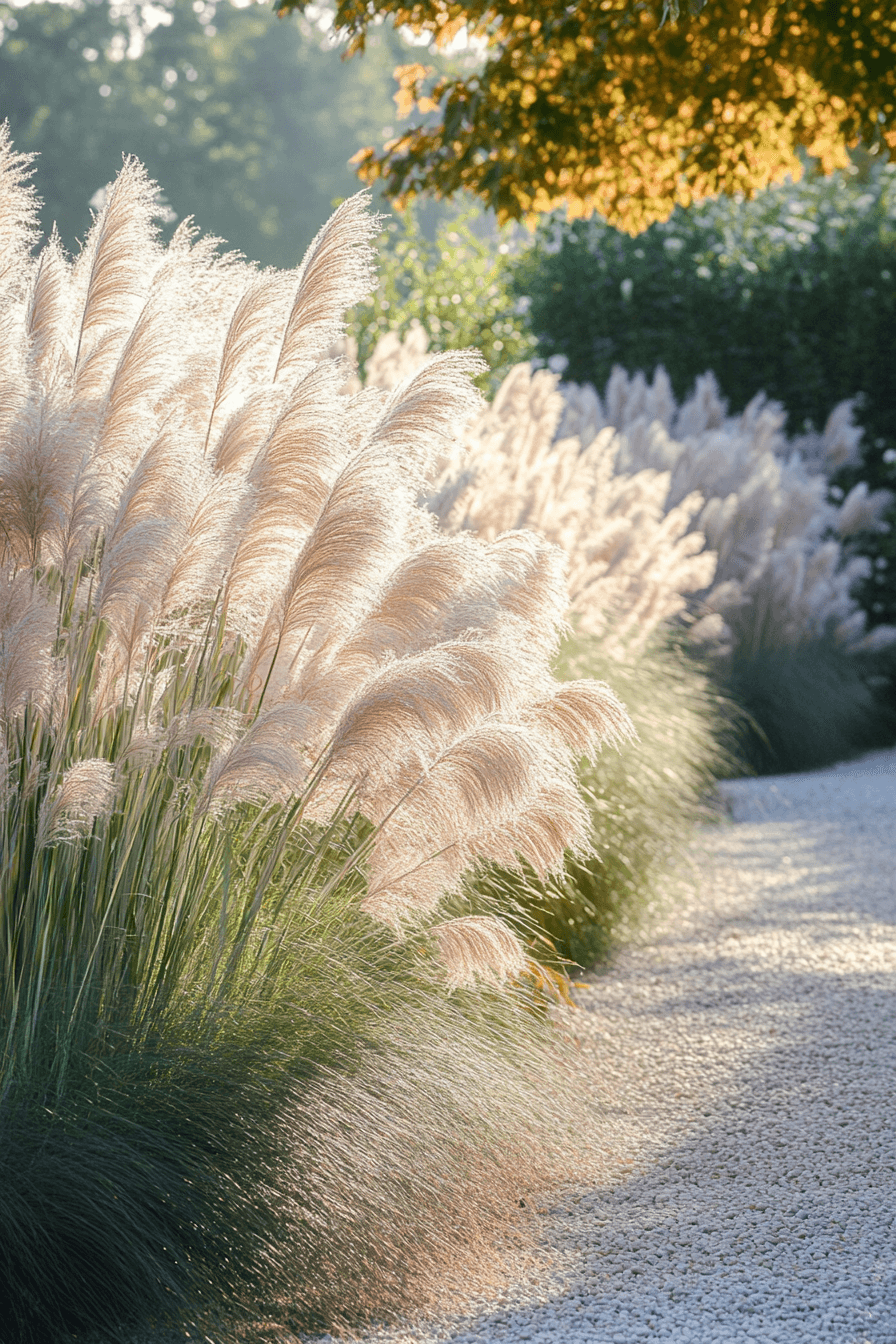
The breeze becomes music in this tranquil wabi sabi garden. Tall grasses, reeds, and chimes move in gentle unison, creating a rhythmic calm. Each whisper of wind carries harmony.
★ Steal This Look
- Paint Color: Fine Paints of Europe Farrow & Ball Blackened Green 80. A muted, naturalistic tone that evokes tall grasses and reeds while maintaining the wabi sabi philosophy of imperfection and connection to nature.
- Furniture: Low wooden benches or simple slatted seating in untreated or lightly weathered wood; minimal Japanese-inspired garden furniture with organic forms
- Lighting: Solar path lights or soft lanterns that cast gentle shadows; avoid bright overhead lighting—opt for ambient moonlight and wind-activated lantern flicker
- Materials: Natural weathered wood, copper or bronze wind chimes, woven reed screens, gravel pathways, and untreated metal accents that patina over time
This garden celebrates the overlooked beauty of sound and transience—the poetry of a breeze moving through grass. It’s a space designed for contemplative listening, where imperfection and aging are features, not flaws.
20. Echo Meadow Retreat
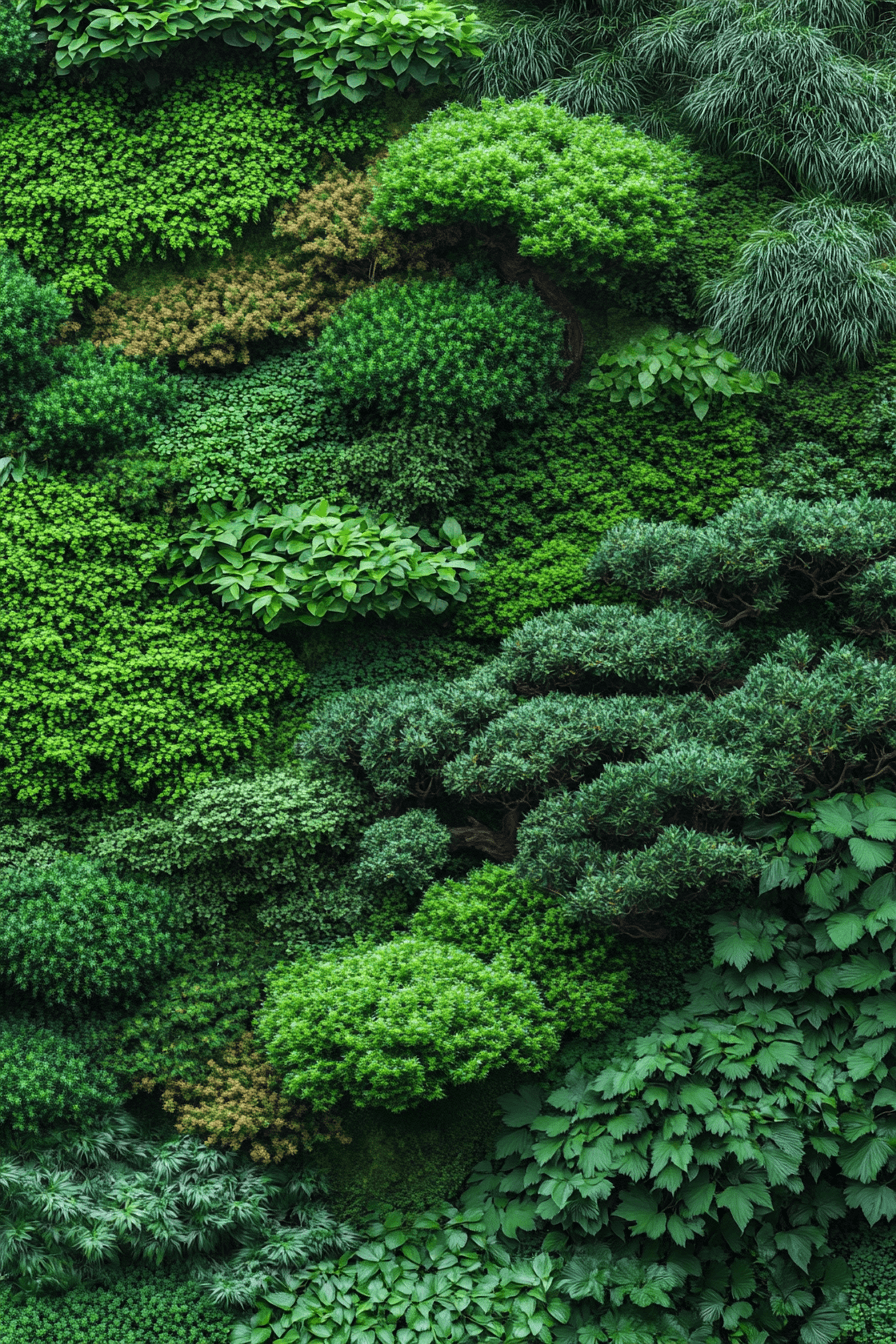
Soft green tones ripple through this wabi sabi garden in layers of quiet balance. Foliage in varying shades of sage and emerald creates a serene rhythm. The garden feels alive with understated motion.
✎ Steal This Look
- Paint Color: Backdrop Sage Whisper SAG 2024
- Furniture: Low wooden garden benches in natural finish, weathered stone seating areas, minimal sculptural pieces in muted tones
- Lighting: Soft path lighting with warm 2700K LED lanterns, diffused solar stakes, moonlight effect through canopy
- Materials: Aged wood, natural stone, moss-covered surfaces, weathered metal accents, living plant walls
Echo Meadow captures that meditative quality where a garden becomes a place of contemplation rather than display. The layered greens create visual depth while maintaining the peaceful restraint that defines wabi sabi design.
21. Entwined Nature Refuge
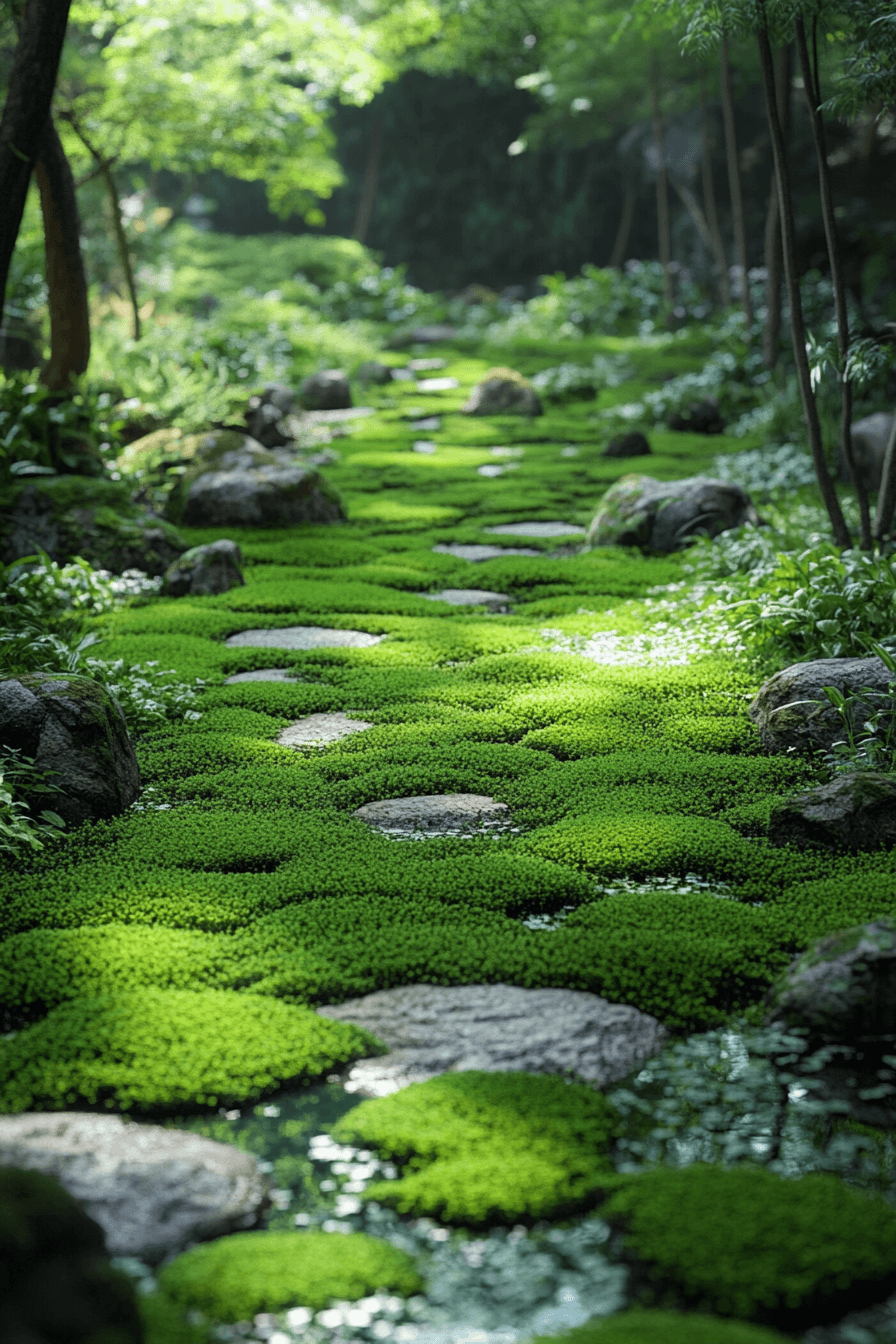
Tangled vines and overlapping blooms define this wild wabi sabi garden. Nature’s freedom replaces rigid order, creating lush beauty in every direction. Each plant thrives without perfection.
🖼 Steal This Look
- Paint Color: Sherwin-Williams Urbane Green SW 7863
- Furniture: Weathered wood benches, reclaimed timber seating, natural stone stepping stones
- Lighting: Soft string lights woven through vines, vintage lanterns on wrought iron stakes
- Materials: Aged wood, moss-covered stone, natural fiber rope, weathered metal, living plant walls
This garden celebrates beauty in disorder, where tangled vines and overlapping blooms create peaceful abundance. It’s about releasing control and trusting nature’s inherent elegance.
22. Soft Hue Haven

Muted colors and gentle contrasts give this wabi sabi garden its quiet grace. Soft greens, dusty browns, and pale grays blend seamlessly with the landscape. The subtle palette inspires calm reflection.
🎨 Steal This Look
- Paint Color: Benjamin Moore Healing Aloe 2037-60
- Furniture: Low-profile weathered teak or reclaimed wood benches; simple stone or concrete seating; natural fiber garden stools
- Lighting: Soft solar pathway lights; frosted glass lanterns; warm white Edison string lights strung low through plantings
- Materials: Aged stone, moss-covered surfaces, weathered wood, natural gravel, muted ceramic planters, raw concrete
This palette whispers rather than declares, creating a meditative space where the eye rests and the mind settles. It’s about celebrating imperfection and the quiet dignity of weathered things.
23. Nature’s Patchwork Retreat
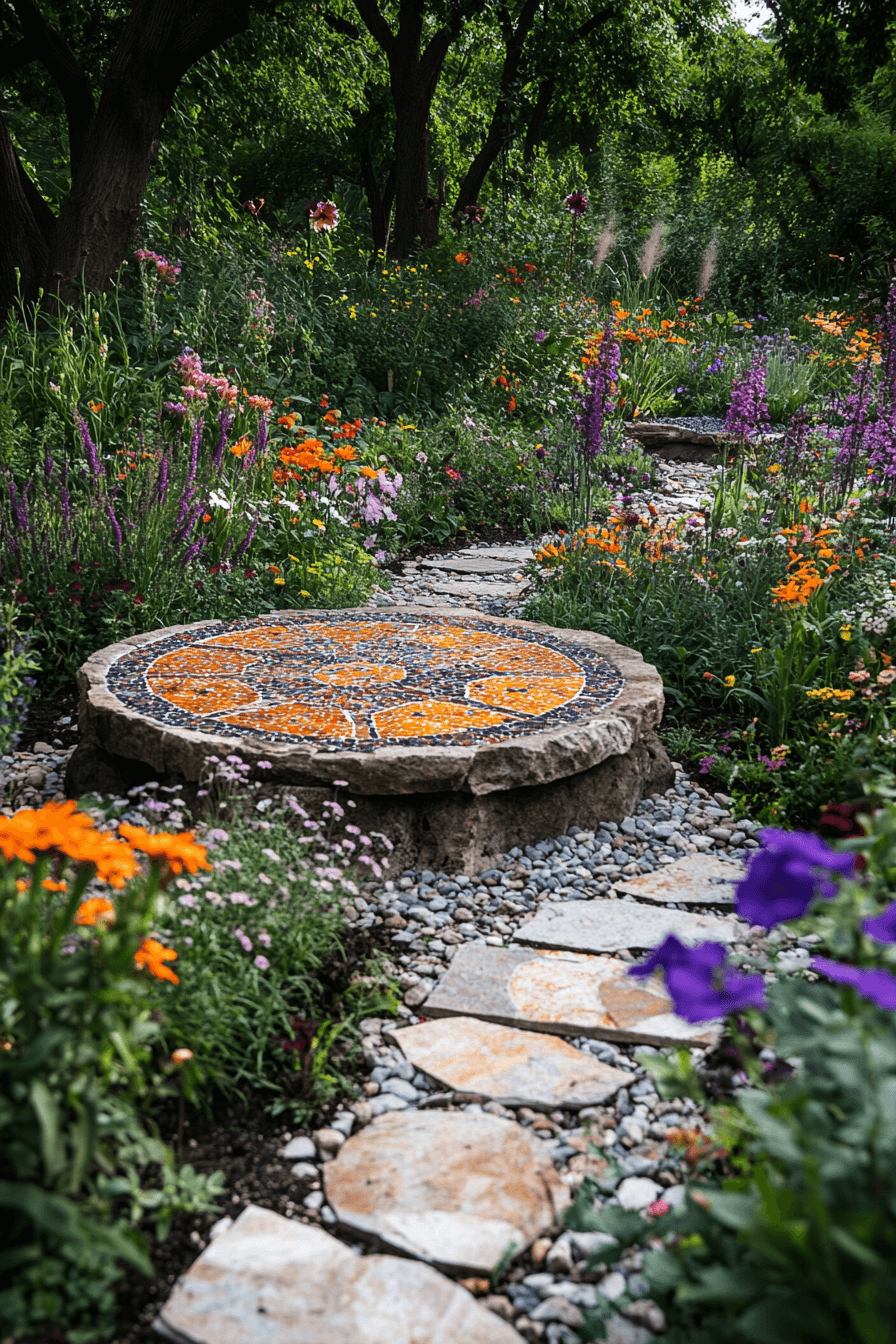
A tapestry of texture and color unfolds in this wabi sabi garden masterpiece. Grasses, stones, and blooms weave together in natural unity. The imperfections create depth and charm.
🏠 Steal This Look
- Paint Color: Farrow & Ball Calluna 230
- Furniture: Weathered wooden benches, natural stone seating, rustic metal plant stands with patina
- Lighting: Soft solar path lights, lanterns with warm Edison bulbs for evening garden ambiance
- Materials: Aged wood, natural stone, weathered metal, moss, gravel, clay pots, dried grasses
A wabi sabi garden celebrates the quiet beauty of impermanence and natural aging. This approach transforms a yard into a living meditation space where moss-covered stones and self-seeded wildflowers tell stories of time passing beautifully.
24. Barefoot Bliss Garden
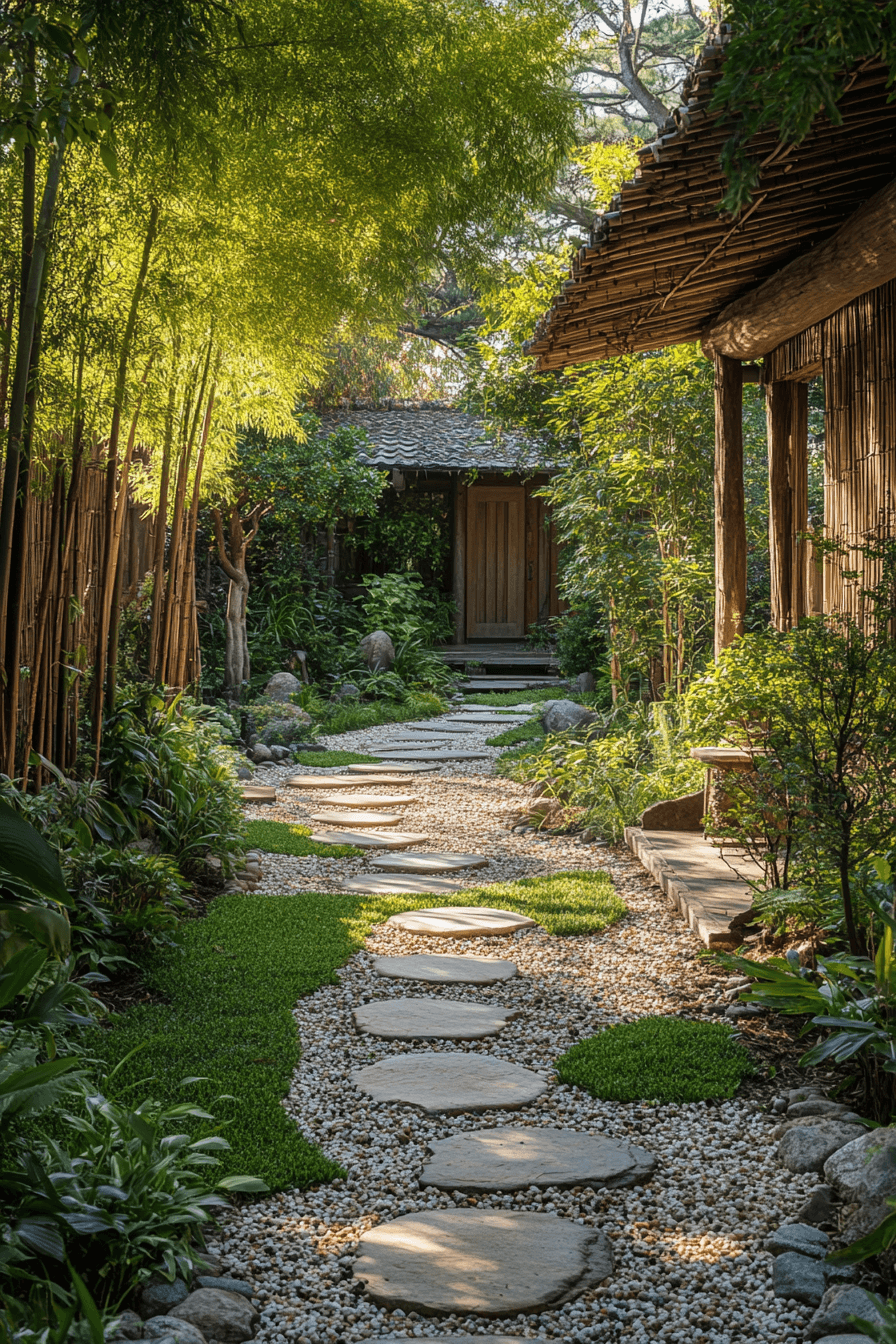
This wabi sabi garden invites connection through the simple act of walking barefoot. Soft moss and smooth pebbles cushion each step with grounding energy. Every sensation feels soothing and mindful.
✎ Steal This Look
- Paint Color: Behr Moss Green N460-4
- Furniture: Low wooden garden benches with natural finish, weathered stepping stones, moss-covered stone seating areas
- Lighting: Soft solar path lights nestled among moss and ground cover, creating gentle ambient glow at dusk
- Materials: Moss, smooth river pebbles, aged stone, untreated wood, natural soil, soft gravel pathways
Barefoot gardens transform outdoor spaces into places of healing and presence. This wabi sabi approach celebrates imperfection—uneven terrain, weathered stone, and moss-covered surfaces—as features that ground us literally and emotionally.
25. Untamed Beauty Haven
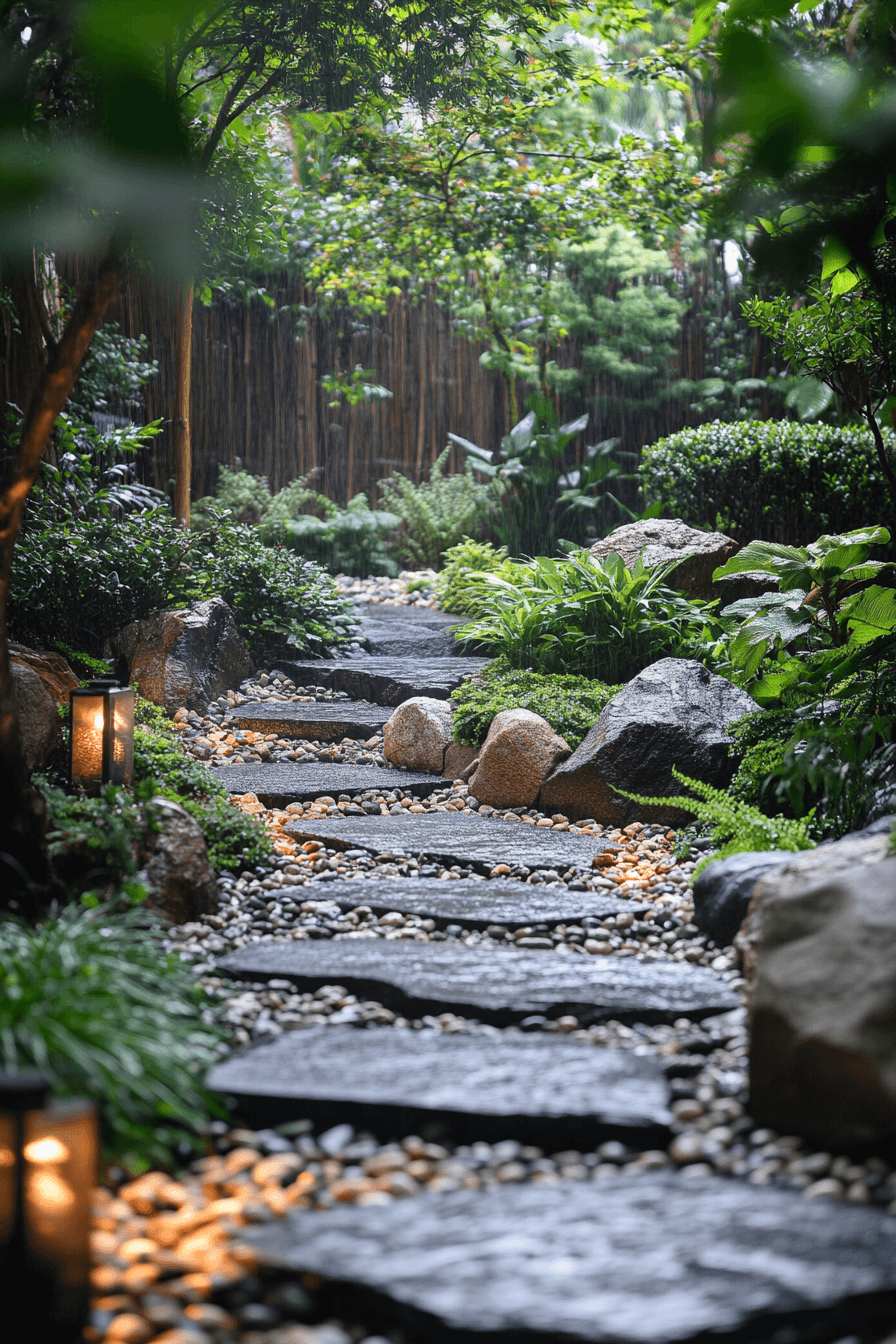
Wild growth reigns in this free-spirited wabi sabi garden. Plants spill naturally across paths, thriving in effortless abundance. The boundaries blur into the landscape beyond.
🌟 Steal This Look
- Paint Color: Valspar Aspen Green 7737K
- Furniture: Weathered wood benches, natural stone seating areas, rustic garden stools
- Lighting: Soft solar stake lights, lanterns with warm Edison bulbs nestled among plants
- Materials: Aged wood, moss-covered stone, natural fibers, weathered metal, living vines
True wabi sabi gardens feel like nature reclaiming space—beautifully imperfect, weathered, and alive. This untamed approach requires patience and a willingness to let plants lead the design.
26. Whisper Garden Sanctuary
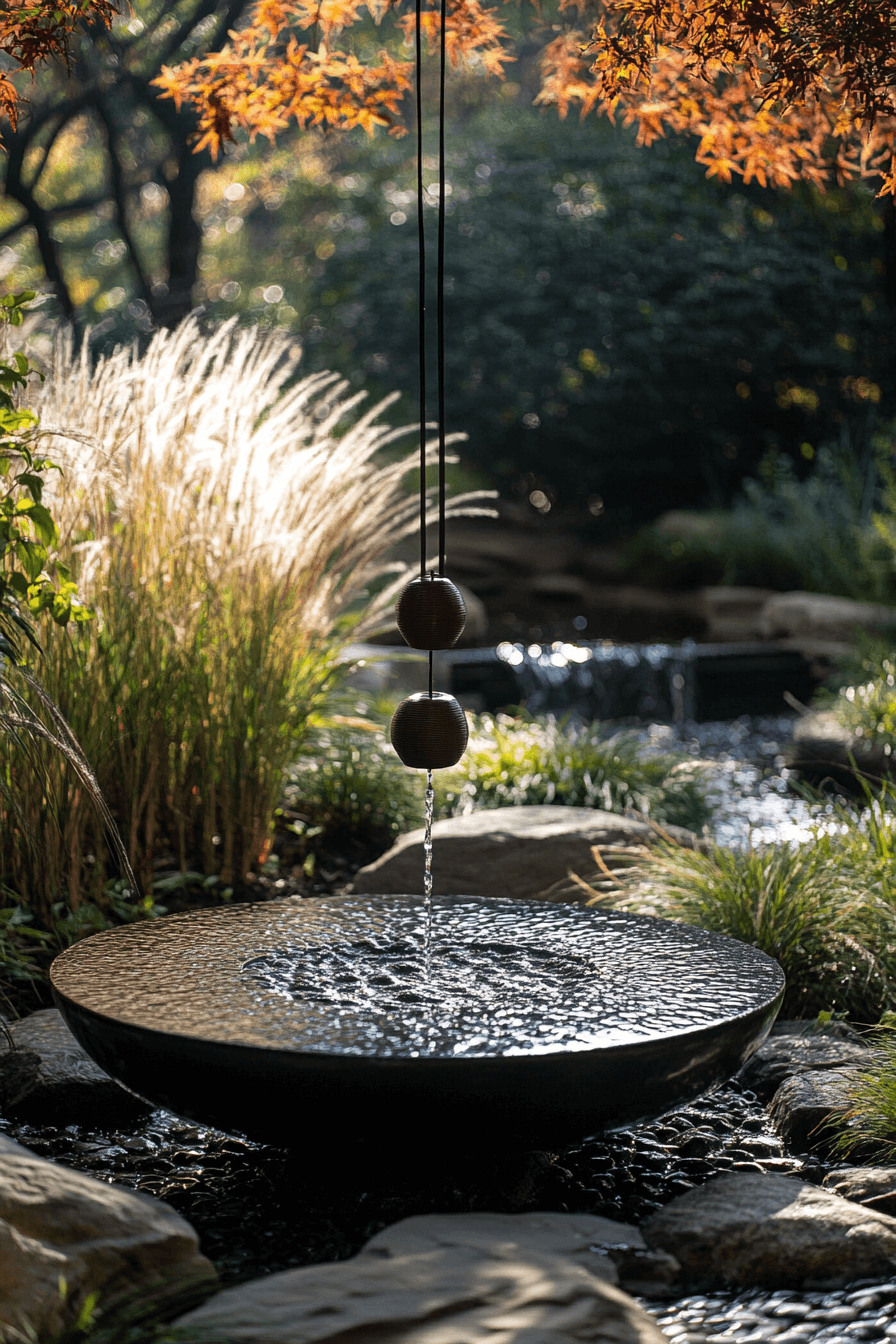
Every breeze tells a story in this wabi sabi garden where movement creates melody. Swaying grass and rustling leaves form a living lullaby. The sound of peace fills the air.
💡 Steal This Look
- Paint Color: PPG Colgan 420-3 (soft sage green) – reflects natural garden palette
- Furniture: Low wooden benches or stone seating with weathered finish; natural wood pergola or arbor structure
- Lighting: Soft lantern fixtures or Edison bulb string lights integrated into garden space; allows dappled sunlight through foliage
- Materials: Weathered wood, natural stone, aged metal, dried grasses, moss, raw concrete – embracing imperfection and age
A whisper garden thrives on understated beauty and the acceptance of change. This is where imperfect grasses, weathered surfaces, and gentle soundscapes celebrate life’s transience.
27. Shaded Peace Corner
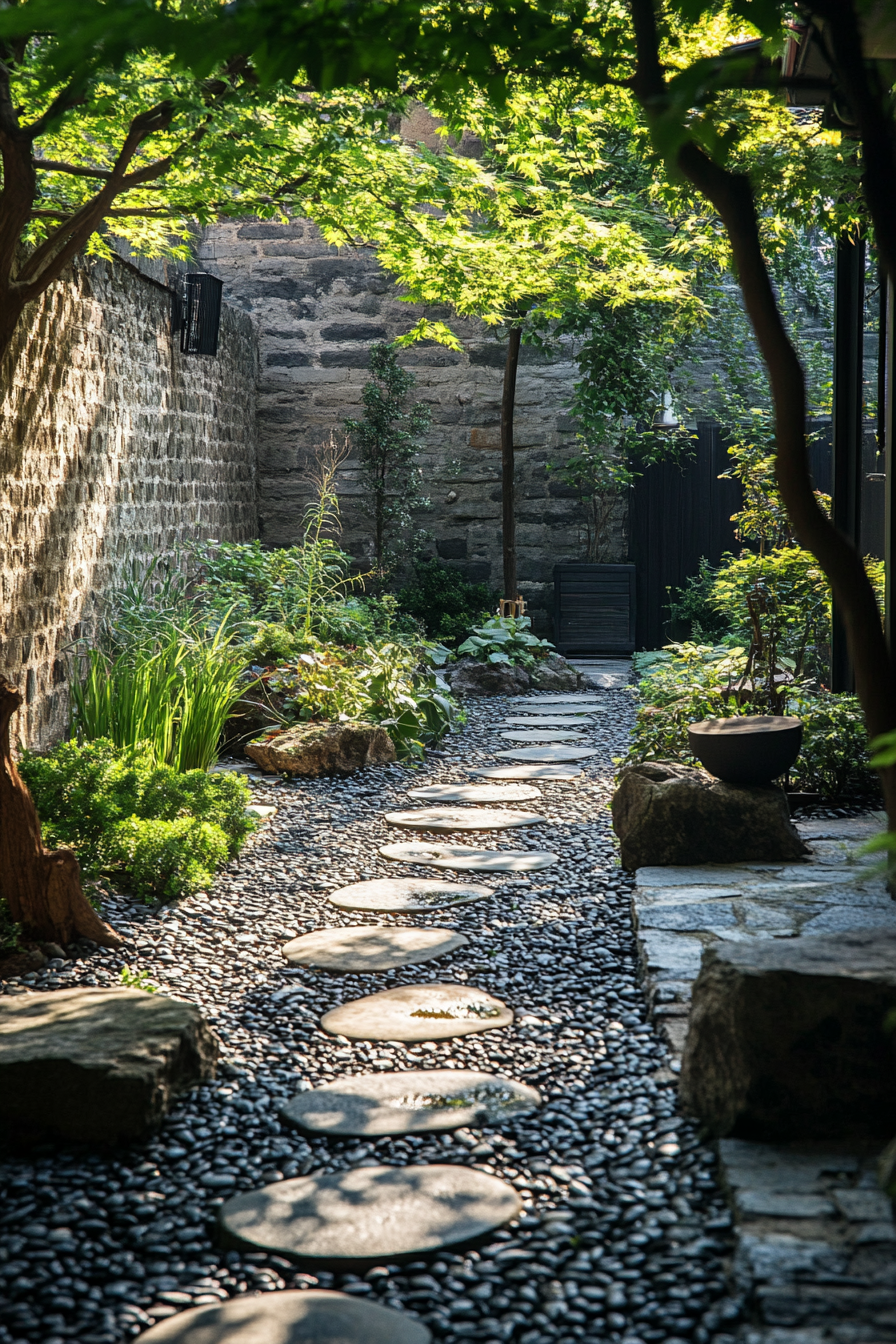
Cool shadows and filtered light define this intimate wabi sabi garden. The minimal design invites deep reflection beneath tranquil greens. Every plant and stone plays its part in balance.
💡 Steal This Look
- Paint Color: Dunn-Edwards Foggy Mist DE 6297
- Furniture: Low wooden bench or meditation seat in natural cedar or reclaimed teak; stone or slate stepping stones
- Lighting: Dappled natural light through overhead foliage; soft filtered sunlight with minimal artificial lighting
- Materials: Moss-covered stones, weathered wood, river rocks, shade-tolerant plants (hostas, ferns, Japanese maples), gravel or mulch base
A shaded peace corner is about restraint and stillness—every stone, every plant leaf should feel intentional rather than decorative. This is where the imperfect beauty of age, moss, and asymmetry becomes your sanctuary.
28. Weathered Beauty Refuge
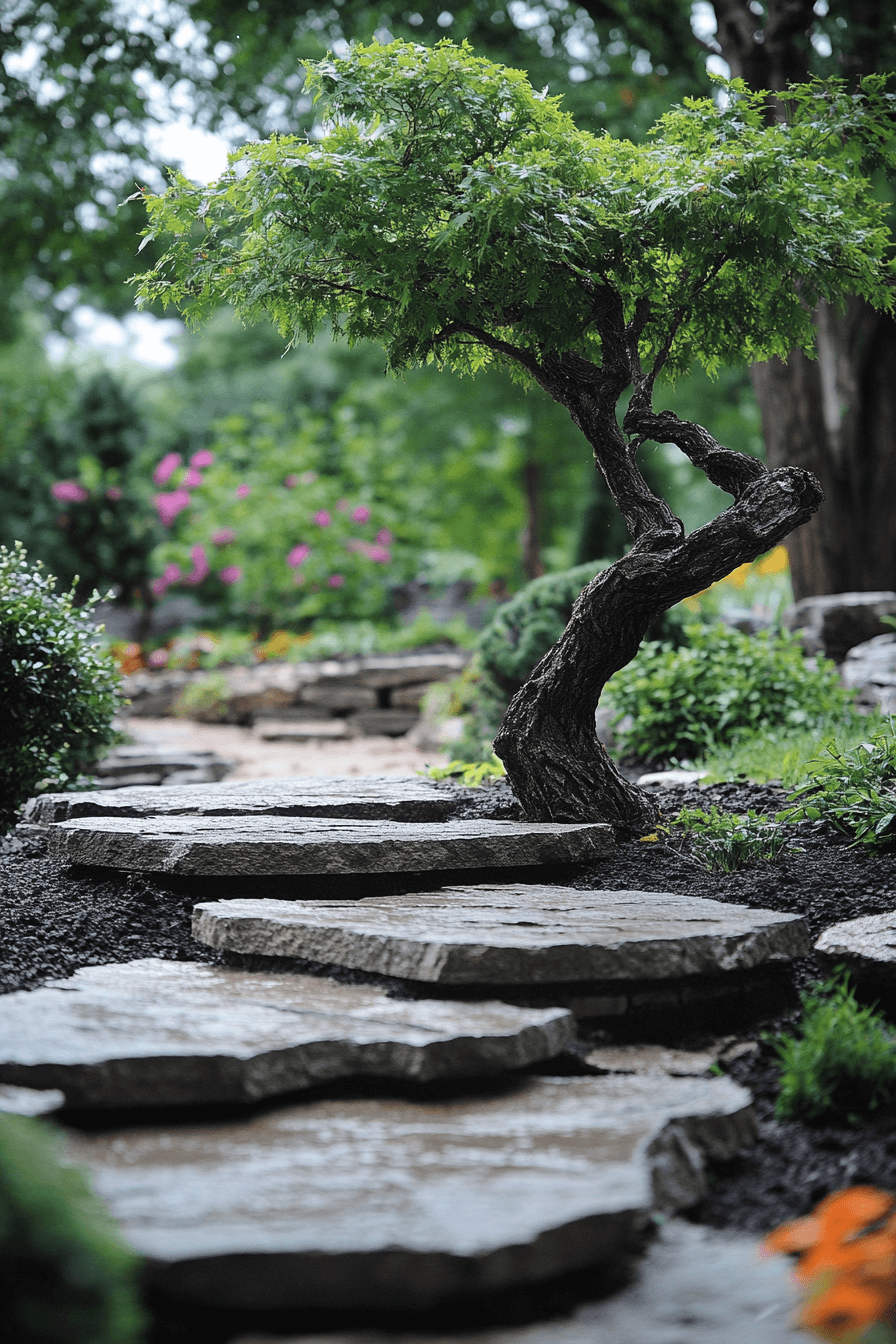
Age adds elegance in this wabi sabi garden where materials mature gracefully. Cracked pottery, faded wood, and soft moss tell stories of time’s artistry. Each imperfection deepens the beauty.
🎨 Steal This Look
- Paint Color: Clare Paint Greige GR-02
- Furniture: Weathered teak or reclaimed wood benches with natural patina; distressed wooden plant stands; aged metal garden stools
- Lighting: Vintage brass or iron lanterns with warm Edison bulbs; soft uplighting on moss-covered surfaces
- Materials: Cracked terracotta pottery, weathered wood with natural grain visible, soft moss, aged copper or wrought iron accents, weathered stone
This refuge celebrates the poetry of impermanence—where a broken pot or weathered bench becomes more precious because it’s been touched by seasons. It’s the garden equivalent of finding beauty in vulnerability.
29. Canopy Tranquility Garden
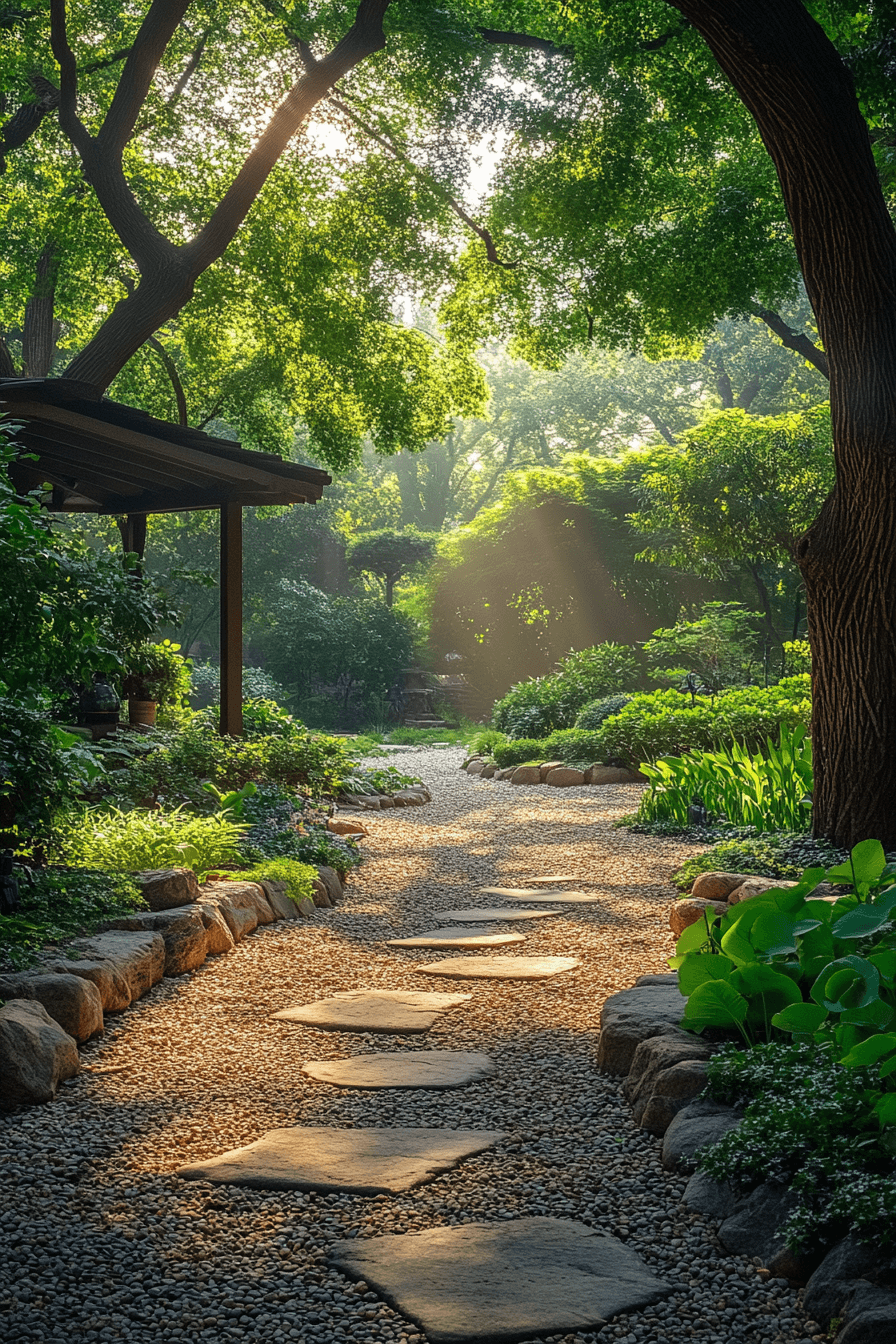
Filtered light dances through leaves in this peaceful wabi sabi garden retreat. The canopy above casts gentle shade over a landscape of green. Every flicker of sunlight feels sacred.
Wabi Sabi garden ideas show how embracing natural imperfection can create a peaceful, charming, and joyful outdoor space. With rustic textures, flowing greenery, and thoughtful details, your garden becomes a serene retreat that sparks happiness every day. The best part is how easy it is to combine simplicity and style, crafting a garden that feels uniquely yours. Start exploring your favorite Wabi Sabi garden ideas today and enjoy an outdoor space that radiates tranquility, beauty, and joy!
🎨 Steal This Look
- Paint Color: Not applicable – outdoor garden space
- Furniture: Low wooden garden benches with natural finish, rustic wooden pergola or arbor structures, weathered stone seating, minimalist wooden platforms for meditation areas
- Lighting: Soft filtered natural light through tree canopy; add warm Edison string lights strung through branches for evening ambiance, or solar stake lights along pathways
- Materials: Weathered wood, aged stone, moss-covered surfaces, natural gravel or mulch, living vines, untreated timber, organic bark mulch, natural fiber rope
A canopy tranquility garden celebrates what nature gives you—imperfect light, gnarled branches, the soft sound of rustling leaves. It’s less about controlling the space and more about surrendering to its quiet, unforced beauty.